
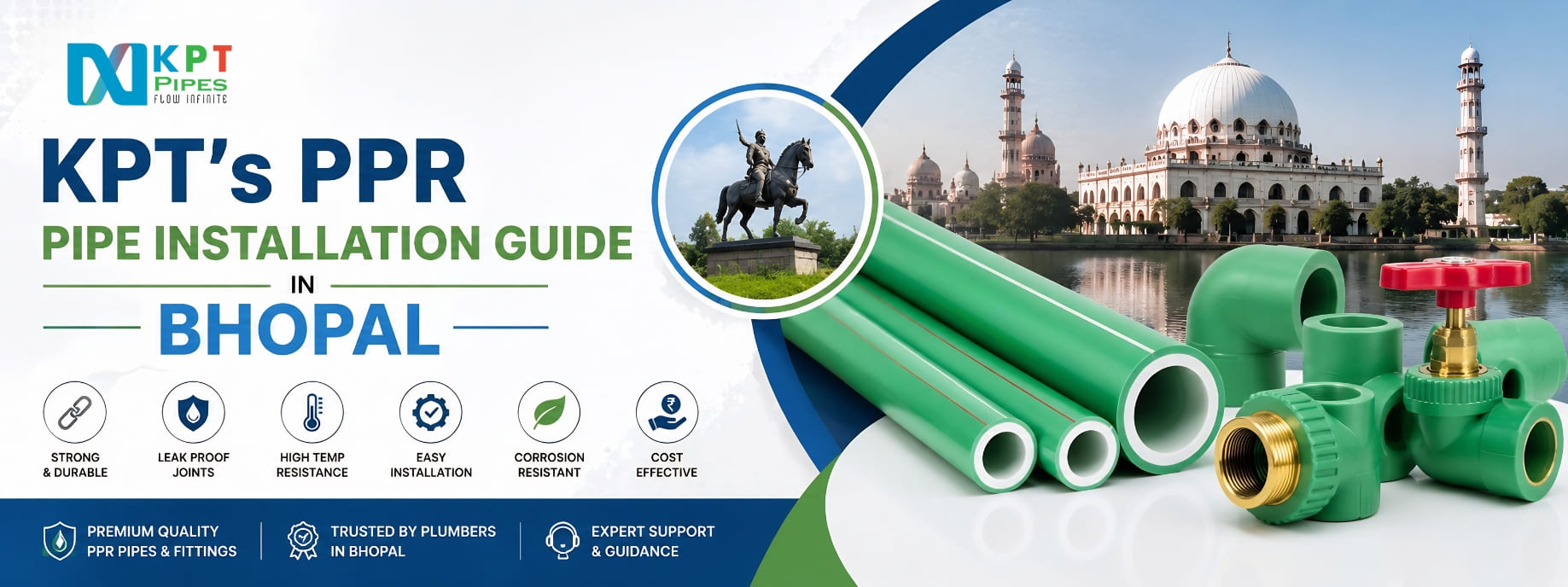
In today’s modern plumbing systems, choosing the right piping material is just as important as proper installation. Whether it is a residential building, commercial property, hotel, hospital, or industrial setup, PPR Pipe have become one of the most trusted solutions for durable and leak-proof plumbing systems. Their long life, corrosion resistance, and ability to handle high temperatures make them highly popular in cities like Bhopal where reliable water supply systems are essential for every property.
However, even the best quality pipes require proper installation to deliver maximum performance. Incorrect pipe alignment, poor welding, or improper fittings can reduce the lifespan of the entire plumbing system. This guide explains everything you need to know about the proper installation of PPR pipes and fittings to ensure a safe, efficient, and long-lasting plumbing network.
Table of Contents
ToggleWhy PPR Pipes Are Widely Preferred
PPR (Polypropylene Random Copolymer) pipes are designed for both hot and cold water applications. Compared to traditional metal pipes, they are lightweight, rust-free, and easy to install. Their smooth inner surface ensures better water flow while preventing scale buildup.
Some major advantages of PPR pipes include:
- Excellent resistance to corrosion and chemicals
- Long service life of over 50 years
- Leak-proof heat fusion joints
- Suitable for hot and cold water systems
- Low maintenance requirements
- Eco-friendly and recyclable material
Because of these benefits, PPR pipes are now commonly used in homes, apartments, commercial buildings, hospitals, schools, and industrial facilities across Bhopal and other cities.
Step-by-Step Guide for Proper Installation of PPR Pipes
1. Planning the Plumbing Layout
Before installation begins, proper planning is necessary. A detailed layout helps reduce unnecessary bends, joints, and pipe wastage. The plumbing route should be carefully measured according to the building design.
During planning, professionals should consider:
- Water pressure requirements
- Pipe diameter selection
- Hot and cold water lines
- Future maintenance accessibility
- Expansion and contraction allowance
A well-planned installation improves water flow efficiency and minimizes future repair issues.
2. Choosing the Right PPR Pipes and Fittings
Selecting high-quality PPR pipes is one of the most important steps. Low-grade pipes may crack, leak, or fail under pressure. Always choose pipes that meet industry quality standards and are suitable for the intended application.
Different pipe types are available for various uses such as:
- Hot water supply systems
- Cold water distribution
- Industrial chemical transportation
- Commercial plumbing systems
- Fire fighting applications
Using compatible fittings is equally important for creating strong and durable joints.
3. Cutting the Pipes Correctly
Proper cutting ensures smooth and secure pipe connections. PPR pipes should always be cut using specialized pipe cutters to achieve clean and straight edges.
Avoid using rough cutting tools because uneven edges can affect joint quality and cause leakage. After cutting, the pipe ends should be cleaned to remove dust or debris before welding.
Key installation tips include:
- Measure accurately before cutting
- Ensure straight pipe edges
- Clean the pipe surface properly
- Avoid cracks or damaged sections
This small step greatly improves installation quality.
4. Heat Fusion Welding Process
One of the biggest advantages of PPR Pipes is their heat fusion joining method. Unlike traditional threaded connections, PPR pipes are welded together using a fusion machine, creating a permanent and leak-proof bond.
The heat fusion process involves:
- Heating both the pipe and fitting using a welding machine
- Maintaining the correct temperature
- Joining both parts carefully without rotation
- Allowing proper cooling time
If the welding temperature is too high or too low, the connection strength may weaken. That is why trained professionals should always handle PPR pipe installation.
5. Maintaining Proper Alignment
Pipe alignment plays a major role in system durability and water flow efficiency. Misaligned pipes can create pressure points that eventually lead to cracks or leaks.
Installers should ensure:
- Straight pipe routing
- Proper support clamps
- Balanced pipe spacing
- Correct bend installation
In large commercial projects, proper alignment also improves maintenance accessibility and reduces long-term operational costs.
6. Pressure Testing After Installation
Once the installation is completed, pressure testing should always be performed before final use. This helps identify hidden leaks or weak joints.
The pressure test process generally includes:
- Filling the pipeline with water
- Applying controlled pressure
- Monitoring pressure stability
- Checking all joints and fittings
If any leakage is detected, repairs should be done immediately before the system becomes operational.
7. Protecting Pipes from External Damage
Although PPR pipes are highly durable, they should still be protected from unnecessary external stress. Pipes installed outdoors or in exposed areas may require insulation or protective covering.
Common protection methods include:
- Using pipe sleeves
- Avoiding direct sunlight exposure
- Installing proper supports
- Preventing heavy impact loads
Proper protection increases the lifespan and overall efficiency of the plumbing system.
Common Mistakes to Avoid During Installation
Even experienced installers can make errors if proper guidelines are not followed. Some common installation mistakes include:
Using Incorrect Fusion Temperature
Improper heating can weaken the pipe joint and cause leakage over time.
Poor Pipe Support
Unsupported pipes may bend under pressure, especially in hot water applications.
Over-Tight Bends
Excessive bending can damage pipe structure and reduce water flow.
Mixing Low-Quality Fittings
Using poor-quality fittings with premium pipes can compromise the entire system.
Skipping Pressure Testing
Ignoring testing may lead to hidden leaks that become expensive later.
Avoiding these mistakes ensures better performance and long-term reliability.
Applications of PPR Pipes in Bhopal
Due to rapid infrastructure growth, PPR Pipes are widely used across residential and commercial projects in Bhopal. Their versatility makes them suitable for multiple applications.
Residential Buildings
Used for kitchen, bathroom, and water supply plumbing systems.
Commercial Complexes
Ideal for offices, malls, hotels, and shopping centers.
Hospitals and Healthcare Facilities
Suitable for hygienic hot and cold water transportation.
Industrial Plumbing
Used in industries for chemical and fluid transportation.
Educational Institutions
Provides reliable plumbing systems for schools and colleges.
The demand for high-performance piping systems continues to grow as builders focus on durability and low maintenance solutions.
Why Professional Installation Matters
Proper installation directly affects the lifespan and performance of the plumbing system. Professionally installed PPR pipes provide:
- Better water pressure performance
- Leak-free operation
- Reduced maintenance costs
- Long-lasting durability
- Improved system safety
Skilled installation teams understand correct fusion timing, alignment techniques, and testing procedures, ensuring the plumbing system works efficiently for decades.
Conclusion
Modern plumbing systems require reliable materials and expert installation practices. PPR Pipes and fittings have become one of the best choices for residential, commercial, and industrial plumbing due to their durability, leak-proof performance, and long service life.
However, the true performance of these pipes depends heavily on proper installation techniques. From planning and pipe cutting to heat fusion welding and pressure testing, every step plays an important role in ensuring a strong and efficient plumbing system.
By following the correct installation process and using premium-quality pipes and fittings, property owners in Bhopal can enjoy safe, hygienic, and maintenance-free water supply systems for many years.
Short FAQs
Q1. What are PPR Pipes mainly used for?
Ans: PPR Pipes are mainly used for hot and cold water supply systems in residential, commercial, and industrial buildings.
Q2. How long do PPR Pipes last?
Ans: High-quality PPR pipes can last more than 50 years with proper installation and maintenance.
Q3. Are PPR Pipes suitable for hot water?
Ans: Yes, PPR pipes are highly resistant to high temperatures and are ideal for hot water applications.
Q4. Why is heat fusion important in PPR pipe installation?
Ans: Heat fusion creates strong, leak-proof joints that improve the durability and reliability of the plumbing system.
Q5. Do PPR Pipes require regular maintenance?
Ans: No, PPR pipes require very little maintenance because they are corrosion-resistant and durable.