
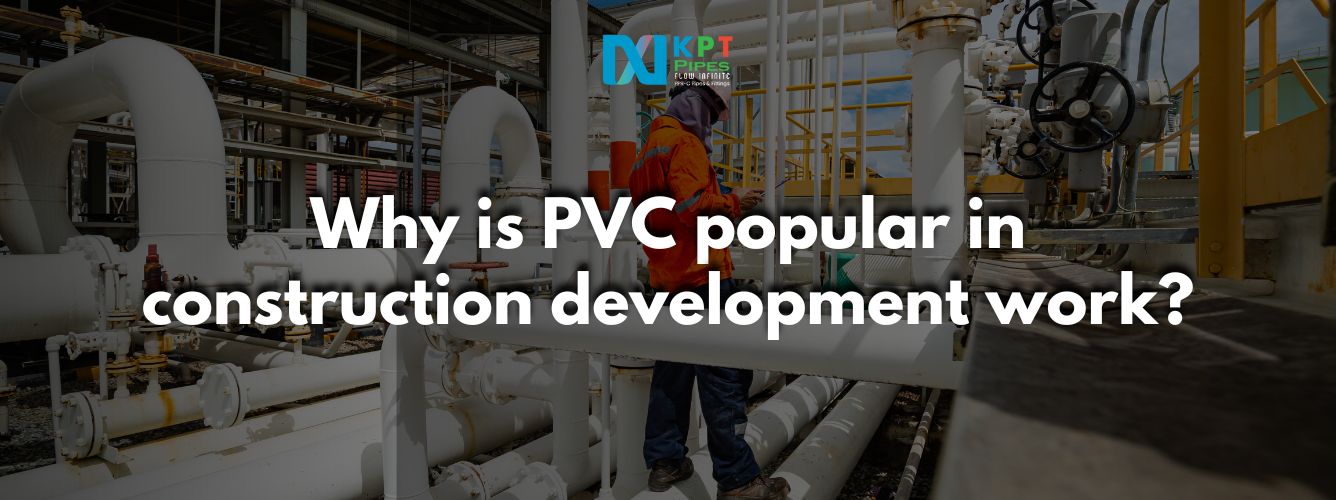
In modern construction and development projects, selecting the right materials is crucial for durability, cost-efficiency, and long-term performance. Among the wide range of materials used, PVC (Polyvinyl Chloride) has gained immense popularity in the construction sector. From residential buildings to large-scale commercial and infrastructure projects, PVC offers a combination of strength, versatility, and sustainability that few materials can match.
Table of Contents
ToggleWhat is PVC?
PVC, or Polyvinyl Chloride, is a thermoplastic polymer widely used in construction. It is produced through the polymerization of vinyl chloride, resulting in a material that is lightweight, robust, and highly resistant to environmental factors. Over the years, PVC has evolved with advanced manufacturing processes, allowing it to meet the growing demands of modern construction.
Advantages of PVC in Construction
1. Durability and Longevity
One of the main reasons for PVC’s popularity in construction is its durability. PVC pipes, fittings, and panels are highly resistant to corrosion, rust, and chemical degradation. Unlike metal or traditional materials, PVC does not corrode over time, making it ideal for plumbing, drainage, and external installations. This durability ensures a longer lifespan for buildings and reduces maintenance costs significantly.
2. Cost-Effective Solution
Construction projects often operate under strict budget constraints. PVC is a cost-effective alternative to traditional materials like metal or concrete. Its lightweight nature reduces transportation costs, while easy installation minimizes labor expenses. Additionally, PVC’s long lifespan reduces the need for frequent repairs or replacements, offering substantial savings over time.
3. Versatility in Applications
PVC is remarkably versatile and can be used in multiple construction applications:
- Plumbing systems: PVC pipes are widely used for water supply and drainage due to their leak-proof properties.
- Electrical conduits: PVC conduits protect electrical wiring from moisture and mechanical damage.
- Window and door profiles: PVC frames provide energy efficiency, low maintenance, and aesthetic appeal.
- Flooring and wall panels: Lightweight PVC panels are used for interior finishing and modular construction.
This flexibility allows builders and developers to rely on a single material for various purposes, streamlining procurement and installation processes.
4. Resistance to Environmental Factors
PVC’s chemical composition makes it resistant to environmental challenges, including moisture, sunlight, and temperature fluctuations. Unlike wood, which may rot, or metal, which may rust, PVC maintains its integrity under harsh conditions. This makes it particularly useful in areas prone to heavy rainfall, humidity, or coastal environments where exposure to salt can damage other materials.
5. Eco-Friendly and Sustainable
Modern construction increasingly focuses on sustainability, and PVC fits well into this trend. PVC can be recycled and reused, reducing construction waste and environmental impact. Additionally, its long life cycle ensures fewer replacements, conserving resources and energy. Manufacturers are also producing low-VOC (Volatile Organic Compounds) PVC, which contributes to healthier indoor environments.
6. Lightweight and Easy to Handle
Another significant advantage of PVC is its lightweight nature. Unlike traditional materials like steel or concrete, PVC can be easily transported and installed without heavy machinery. This property accelerates construction timelines and reduces labor costs, making projects more efficient and manageable.
PVC in Modern Infrastructure Projects
In addition to residential and commercial buildings, PVC is widely used in large infrastructure projects. Municipal water systems, sewage networks, and irrigation pipelines often rely on PVC pipes for their reliability and ease of maintenance. Its resistance to chemical corrosion makes it ideal for industrial applications where harsh fluids are transported.
Moreover, PVC’s adaptability has enabled innovations like multi-layered PVC pipes and PVC-aluminum composites, which combine strength, flexibility, and durability for high-pressure or high-demand applications.
Safety and Compliance
Safety is a key consideration in construction, and PVC complies with various international standards for quality and performance. PVC pipes and fittings used in plumbing are non-toxic and safe for drinking water, meeting regulatory requirements. Fire-retardant PVC formulations are also available, making it suitable for electrical conduits and building panels.
The Growing Popularity of PVC
The combination of cost-effectiveness, durability, and versatility has made PVC a go-to material in the construction industry. Developers and contractors prefer PVC because it reduces overall project costs, ensures long-term reliability, and is easy to work with. As construction techniques evolve, PVC continues to adapt, offering innovative solutions like flexible pipes, insulated panels, and modular profiles that meet the needs of modern urban development.
Key Takeaways:
- PVC is durable, corrosion-resistant, and long-lasting.
- It offers cost-effective solutions without compromising quality.
- Its versatility allows use in plumbing, electrical, and structural applications.
- PVC withstands environmental challenges like moisture, heat, and UV exposure.
- Recyclable and eco-friendly, PVC supports sustainable construction practices.
- Lightweight design reduces labor and transportation costs.
Conclusion
PVC has become an essential material in construction development work due to its unmatched combination of strength, affordability, and versatility. Whether for residential buildings, commercial complexes, or large-scale infrastructure projects, PVC ensures reliability, efficiency, and sustainability. As the construction industry continues to modernize, PVC is poised to remain a cornerstone material, helping developers create structures that are both durable and environmentally conscious.