
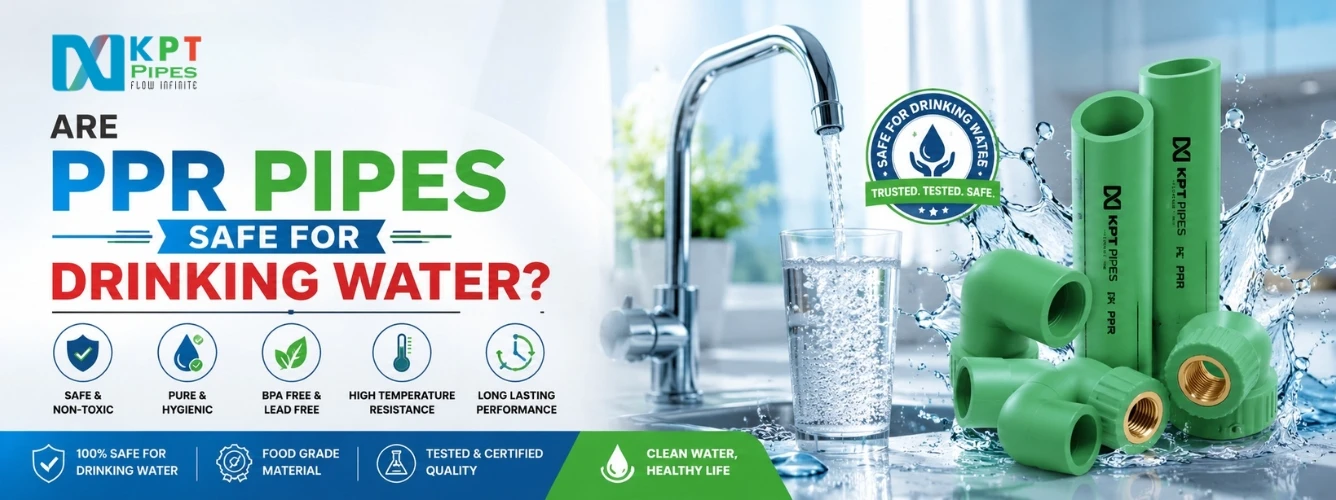
Clean drinking water depends not only on its source but also on the quality of the piping system that carries it. Whether it’s a residential building, commercial property, hospital, or industrial facility, choosing the right plumbing material plays a major role in maintaining water purity and long-term system performance. Among the various piping materials available today, PPR Pipes and Fittings have become one of the most trusted solutions for potable water distribution.
Known for their durability, chemical resistance, and hygienic properties, PPR (Polypropylene Random Copolymer) pipes are widely used across modern plumbing systems. But many homeowners, builders, and contractors still ask one important question—are PPR pipes truly safe for drinking water?
The answer is yes. When manufactured according to international quality standards, PPR pipes are specifically designed for carrying potable water without affecting its quality, taste, or safety. Let’s explore why these pipes are considered one of the safest choices for drinking water applications.
Table of Contents
ToggleWhat Are PPR Pipes?
PPR pipes are manufactured using Polypropylene Random Copolymer, a thermoplastic material known for its excellent strength, corrosion resistance, and long service life. They are commonly used for transporting both hot and cold water because they can withstand high temperatures and pressure while maintaining their structural integrity.
Unlike traditional metal pipes, PPR systems do not rust, corrode, or react with water, making them ideal for maintaining clean and hygienic water supply systems.
Why Are PPR Pipes Safe for Drinking Water?
1. Non-Toxic Material
One of the biggest advantages of PPR pipes is that they are manufactured from food-grade polypropylene material. They do not contain harmful substances such as lead or heavy metals that could contaminate drinking water over time.
As a result, the water flowing through these pipes remains safe for everyday consumption.
2. No Corrosion or Rust Formation
Metal pipelines often develop rust after years of use, which can affect both water quality and flow. Rust particles may discolor water and increase maintenance requirements.
PPR pipes are completely corrosion-resistant. Since they do not oxidize or rust, they help preserve water quality throughout their service life.
3. Prevents Chemical Contamination
Water often contains minerals and naturally occurring chemicals. Some piping materials may react with these elements, leading to unwanted chemical leaching.
PPR pipes are chemically inert for potable water applications. They do not release harmful substances into the water, helping maintain its original composition.
4. Smooth Internal Surface
The inner walls of PPR pipes remain exceptionally smooth throughout their lifespan. This reduces sediment accumulation, scaling, and mineral deposits that could otherwise restrict water flow or affect water cleanliness.
The smooth surface also improves hydraulic efficiency by allowing water to flow with minimal resistance.
5. Hygienic Water Transportation
Since PPR pipes resist scaling, corrosion, and microbial growth better than many conventional piping materials, they provide a cleaner environment for transporting potable water.
This makes them suitable for residential complexes, hospitals, schools, hotels, and food processing facilities where water hygiene is especially important.
Benefits of Using PPR Pipes and Fittings for Drinking Water Systems
Long Service Life
A properly installed PPR plumbing system can deliver reliable performance for decades under normal operating conditions. Their excellent durability reduces the need for frequent repairs and replacements.
Leak-Proof Joints
One of the key strengths of PPR Pipes and Fittings is the heat fusion joining process. During installation, pipes and fittings are fused together to create a single, continuous pipeline.
Unlike threaded or glued joints, fused connections significantly reduce the chances of leakage and improve overall system reliability.
Excellent Temperature Resistance
PPR pipes are suitable for both hot and cold water applications. Their ability to withstand elevated temperatures makes them ideal for residential plumbing, hotels, healthcare facilities, and commercial buildings.
Corrosion-Free Performance
Unlike galvanized steel or iron pipes, PPR systems remain unaffected by moisture, minerals, and common water conditions. This minimizes maintenance while ensuring consistent water quality.
Lightweight and Easy Installation
PPR pipes are much lighter than traditional metal pipes, making transportation, handling, and installation easier. Faster installation also reduces labour costs for construction projects.
Where Are PPR Pipes Commonly Used?
Due to their versatility and safety, PPR piping systems are widely used in various applications, including:
- Residential drinking water supply
- Apartments and housing projects
- Commercial buildings
- Hospitals and healthcare facilities
- Hotels and resorts
- Educational institutions
- Industrial water distribution
- Food and beverage processing units
Their reliable performance across different environments has made them a preferred plumbing solution worldwide.
How Do PPR Pipes Compare with Traditional Metal Pipes?
Traditional metal pipes have served plumbing systems for decades, but they come with certain limitations. Over time, they may rust, corrode, develop internal scaling, or require expensive maintenance.
PPR pipes offer several advantages over conventional metal piping:
- No rust or corrosion
- Better water quality preservation
- Lower maintenance requirements
- Longer operational life
- Improved energy efficiency due to lower heat loss
- Lightweight construction
- Leak-resistant fused joints
These benefits make PPR piping a more practical long-term investment for modern plumbing systems.
Tips for Choosing Quality PPR Pipes and Fittings
Not every pipe available in the market offers the same level of quality. When selecting a plumbing system for drinking water, consider the following:
- Choose pipes manufactured using high-grade raw materials.
- Verify compliance with recognized quality standards.
- Select the correct pressure rating based on your application.
- Use compatible fittings from the same manufacturer whenever possible.
- Ensure installation is carried out using proper heat fusion equipment by trained professionals.
A high-quality installation is just as important as selecting quality piping products.
Maintenance Requirements
One reason many property owners prefer PPR systems is their low maintenance requirements.
Because they resist corrosion, scaling, and chemical degradation, routine maintenance is generally limited to periodic inspections rather than frequent repairs. Proper installation and good operating conditions can significantly extend the lifespan of the plumbing network.
Why Builders and Engineers Prefer PPR Pipes
Construction professionals increasingly recommend PPR piping because it combines durability, hygiene, and installation efficiency.
The material’s excellent pressure resistance, long operational life, leak-proof joints, and compatibility with drinking water systems help reduce maintenance costs while ensuring dependable performance for years.
Whether used in new construction or plumbing renovation projects, PPR systems provide a reliable solution for modern water distribution.
Conclusion
When it comes to transporting clean and safe drinking water, the quality of your piping system matters just as much as the water source itself. PPR Pipes and Fittings offer an excellent combination of safety, durability, corrosion resistance, and long-term reliability.
Their non-toxic material, smooth internal surface, leak-proof fusion joints, and resistance to rust and chemical reactions make them one of the most dependable choices for potable water systems. By investing in high-quality PPR piping installed according to recommended practices, homeowners, builders, and businesses can enjoy clean water supply with minimal maintenance for decades.
FAQs
Q1. Are PPR pipes approved for drinking water?
Ans: Yes. High-quality PPR pipes manufactured according to recognized standards are designed specifically for potable water applications.
Q2. Do PPR pipes change the taste of drinking water?
Ans: No. PPR pipes are made from non-toxic materials that do not affect the taste, odor, or quality of drinking water.
Q3. Can PPR pipes be used for hot and cold water?
Ans: Yes. They are suitable for both hot and cold water distribution due to their excellent temperature resistance.
Q4. How long do PPR pipes typically last?
Ans: With proper installation and normal operating conditions, PPR piping systems can provide reliable service for several decades.
Q5. Why are PPR Pipes and Fittings preferred over metal pipes?
Ans: They resist corrosion, prevent rust formation, require less maintenance, offer leak-proof joints, and help maintain clean drinking water quality.