
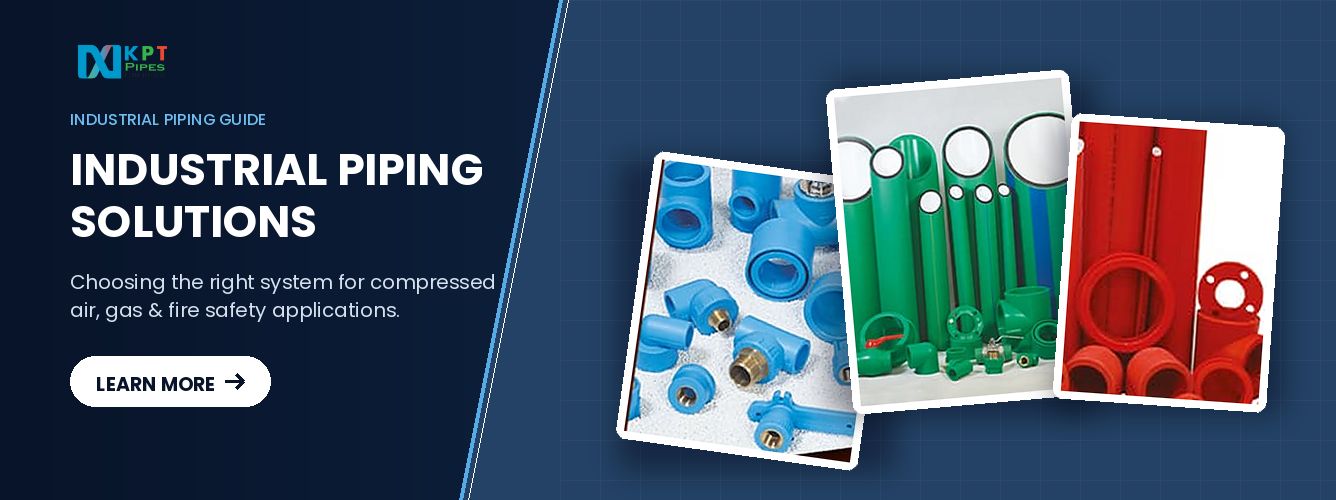
Are you starting a plant project and need to order piping quickly? Wait! Choosing a system based only on price or availability can create problems later.
Industrial piping has to suit what it carries, the pressure and temperature it will face, and the environment where it will be installed. Compressed air, specified gas services, and fire protection can therefore require different solutions.
That’s not all! The right choice also depends on the fittings, joining, supports, insulation where required, applicable standards, and supplier support. Looks complicated, right? No worries, because this guide explains what to check before choosing an industrial piping system for your project.
What Are Industrial Piping Systems Used For?
Industrial piping systems are used to move air, gases, water, and other fluids around plants and commercial facilities. What the pipe carries determines the type of system you need and the requirements it must meet.
For example, a factory may need piping to distribute compressed air to production equipment, while a building may need a separate network to supply water to fire sprinklers. These systems may look similar at first, but their operating conditions and safety requirements can be very different.
Here are a few common examples:
| Application | What the piping does | What to consider |
| Compressed air | Carries compressed air from the compressor to equipment and work areas | Pressure, leakage, pressure loss, jointing, and thermal movement |
| Gas and vacuum | Carries specified gases or creates a vacuum connection for equipment | Gas compatibility, pressure, leakage, and material suitability |
| Fire protection | Distributes water through sprinkler and fire-protection networks | Pressure, applicable codes, approvals, fittings, and installation |
| Process and utility services | Moves fluids or gases required for specific plant operations | Fluid compatibility, pressure, temperature, corrosion, and project sp |
What Should You Consider Before Choosing an Industrial Piping System?
Choosing an industrial piping system should start with the job the pipe needs to do. So you ned to understand what the pipe will carry and the conditions it will face during operation before comparing products or prices.
Once you know that, you can start narrowing down the material, pressure rating, fittings, joining method, and other specifications that the system requires. Here are the key things to check before choosing your industrial piping solutions:
-
What will the pipe carry?
Start with the service. Compressed air, specified gases, fire-protection water, and other industrial fluids can have very different requirements. The pipe material should be suitable for the medium being transported.
-
What pressure and temperature will it handle?
Check the system’s normal operating pressure and temperature, along with any changes it may experience. The selected pipe should have suitable ratings for these conditions.
-
Will the installation environment affect the pipe?
Look at where the piping will be installed. Moisture, chemicals, sunlight, temperature changes, and other site conditions can affect material selection and long-term performance.
-
How will the pipe be joined and supported?
The pipe, fittings, and joining method should be compatible. You should also consider how the piping will be supported and whether the installation needs provisions for thermal movement.
-
Does the application require insulation?
Not every industrial system needs insulation. But insulated pipes or suitable insulation systems may need to be considered as part of the design where temperature control or condensation prevention is required.
-
What standards and approvals apply?
The required standards depend on the application. Fire-protection piping, for example, has specific material and approval requirements, while other services may have different standards. Ask the supplier for the documentation relevant to the product and its intended use.
-
What else is needed to complete the system?
Do not select the pipe separately from the rest of the network. Check the availability of compatible fittings, valves, supports, hangers, and other components required for installation.
Thinking through these questions before ordering makes it easier to compare industrial piping systems on suitability rather than price alone. It also gives you a clearer specification to take to the supplier.
Which Industrial Piping System Fits Your Application?
There is no single industrial piping system that suits every application. The right industrial piping solutions depend on what the pipe needs to carry and the conditions the system must handle.
You can narrow down the right option by matching the piping system to its intended service:
- Compressed air: Focus on pressure, pressure loss, leakage, joint reliability, and thermal movement.
- Specified gas or vacuum: Check gas compatibility, operating pressure, leakage control, and material suitability.
- Fire sprinkler systems: Verify fire-protection approvals, pressure requirements, compatible fittings, and installation requirements.
- Temperature-sensitive services: Consider heat transfer, condensation, operating temperature, and insulation requirements.
Which Piping System Works for Compressed Air Networks?
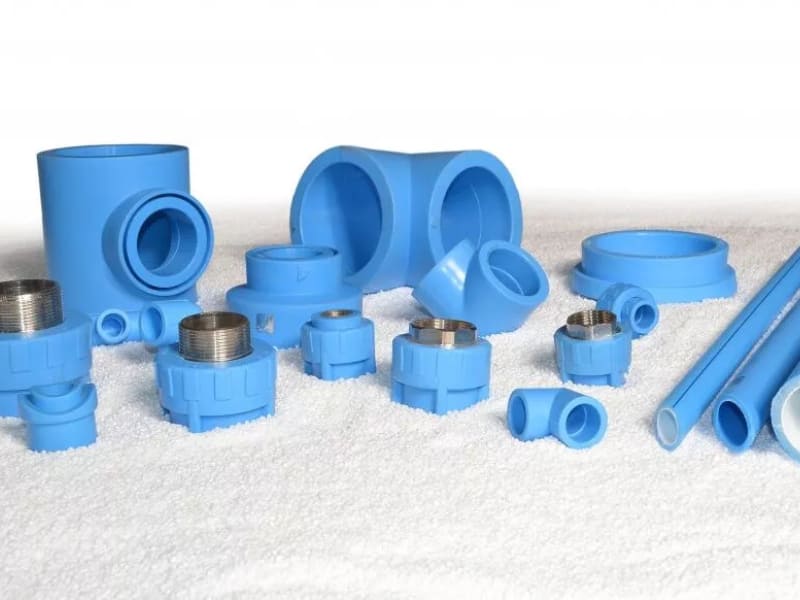 Compressed air piping needs to deliver air from the compressor to equipment while limiting pressure loss and leakage. The piping system should therefore suit the network’s operating pressure and provide reliable joints throughout the installation.
KPT Pneumato is designed for primary and secondary networks carrying compressed air, vacuum, and specified neutral gases. Its glass-fibre reinforcement helps reduce linear expansion and supports pressure performance, while fusion joining creates a homogeneous joint when installed according to the recommended procedure.
What Should You Choose for Specified Gas and Vacuum Services?
Gas and vacuum applications need to be assessed according to the specific service rather than treated like standard compressed air applications. The selected piping system should be compatible with the gas, pressure, and operating conditions involved.
Pipes like KPT Pneumato can prove beneficial for such services. It is designed for vacuum and specified neutral gas applications in addition to compressed air. But remember to still verify the product’s suitability against the requirements of the specific gas or vacuum service before specifying it.
Which Piping System Is Suitable for Fire Sprinkler Applications?
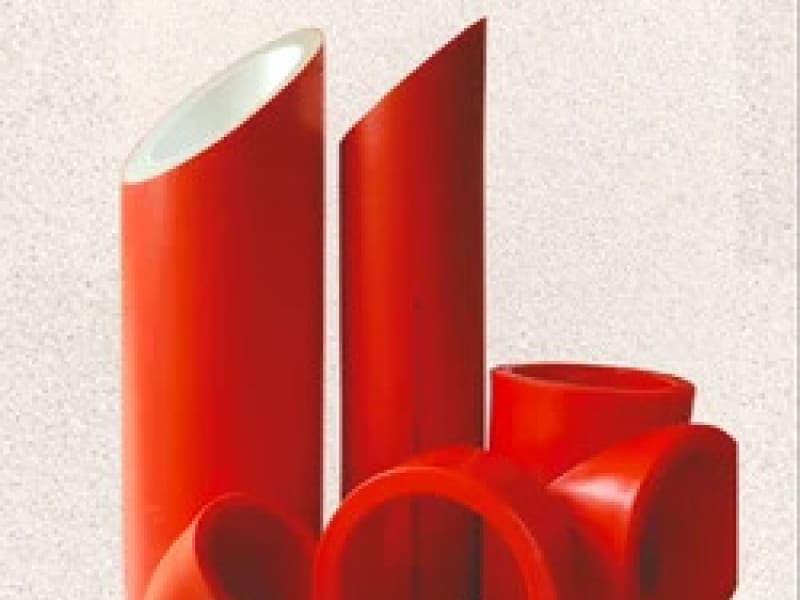
Fire sprinkler piping needs to meet requirements beyond simply carrying water. The selected system should be approved for the intended fire-protection application and used with compatible fittings and an approved installation method.
Options like KPT Thermaplus can prove to be the right choice for this. This PPR-FR piping system is designed for specified light and ordinary hazard fire sprinkler applications. It is approved under NFPA 13 for new and retrofit construction. You should still confirm that the selected pressure class, fittings, and installation requirements match your project’s approved fire-protection design.
When Should Insulation Be Part of the Piping Selection?
Some industrial services need greater control over heat gain, heat loss, or condensation. In these applications, the piping selection should account for the required thermal protection from the beginning.
Consider insulated pipes when:
- The fluid temperature needs to be maintained within a specific range.
- Heat gain or heat loss could affect system performance.
- Cold pipe surfaces could create condensation.
- The surrounding temperature or humidity increases the need for thermal protection.
The pipe and insulation should be selected together so that the complete system suits the operating conditions. This approach also helps you avoid choosing a pipe first and discovering later that additional thermal protection is required.
Matching the piping system to its application gives you a clearer basis for comparing products, specifications, approvals, fittings, and installation requirements. It also helps you identify the right industrial piping solutions before approaching a supplier.
What Should You Check for Fire-Fighting Piping?
Fire-fighting piping needs to be selected with greater care because it forms part of a system designed to deliver water when fire protection is needed. The pipe therefore needs to suit the system design, pressure requirements, applicable standards, and approved installation method.
Check these requirements before selecting fire-fighting piping:
- Pressure rating: Make sure the pipe can handle the operating pressure specified for the fire-protection system.
- Application approval: Verify that the pipe is approved or certified for the intended fire-protection application. Do not assume that a pipe suitable for general water supply is suitable for fire-fighting use.
- Pipe and fittings: Check that the fittings are compatible with the selected pipe and approved for the intended application.
- Joining method: Confirm the required joining method and make sure the installation team follows the manufacturer’s procedure.
- Supports and installation: The piping needs to be properly supported and installed according to the approved system design and applicable requirements.
- Documentation: Ask for the relevant approvals, certifications, test reports, and technical documents before specifying the product.
If you are looking for a PPR-FR option for fire sprinkler applications, KPT Thermaplus is designed specifically for this purpose. The system is intended for specified light and ordinary hazard applications and is approved under NFPA 13 for new and retrofit construction.
As with any fire-fighting piping, you should still verify that the selected product, pressure class, fittings, and installation method meet the requirements of your specific project. This ensures that the product you choose fits the approved fire-protection system rather than being selected on material type alone.
When Do Insulated Pipes Make Sense for Industrial Piping?
Insulation is not something every industrial piping system needs. It becomes important when the temperature of the fluid and the surrounding environment can affect system performance.
Insulated pipes can help reduce unwanted heat transfer and control condensation where these issues are a problem. For example, a system carrying a temperature-sensitive fluid may need insulation to limit heat gain or heat loss during operation. But you must always check a few things before ordering insulated pipes:
- Operating temperature: Consider the temperature of the fluid and how much it may change during operation.
- Surrounding conditions: Look at the ambient temperature, humidity, exposure, and location of the piping. These conditions can affect the insulation requirement.
- Condensation risk: Cold piping may require insulation to reduce the chance of condensation forming on the pipe surface.
- Insulation performance: Check the level of thermal protection the application requires rather than choosing insulation based only on thickness.
- Protection around components: Make sure the insulation remains properly fitted around joints, supports, valves, and other components where gaps can reduce its effectiveness.
Considering these factors before ordering helps you choose an insulation system that suits the operating conditions and avoids problems caused by inadequate thermal protection or condensation.
The need for insulated pipes should therefore be decided as part of the overall piping design. When temperature control or condensation prevention is important, the pipe and insulation should be considered together rather than treated as separate decisions.
Conclusion
Choosing the right industrial piping system starts with understanding the application. The pipe needs to suit what it carries, the pressure and temperature it will handle, and the conditions in which it will be installed.
Compressed air, specified gas and vacuum services, and fire sprinkler systems can have very different requirements. That is why the selection should also account for pressure loss, leakage, fittings, joining methods, supports, approvals, and insulation where required.
The right industrial piping solutions should therefore be selected around the complete system rather than the pipe alone. Once you have defined these requirements, you can compare suitable products. Your industrial pipe supplier should then provide the required specifications, compatible components, documentation, and installation support.
KPT offers piping systems designed for applications including compressed air, specified gases, vacuum, and fire sprinkler networks. Review the requirements of your application first and choose our system that meets its technical and approval requirements.