
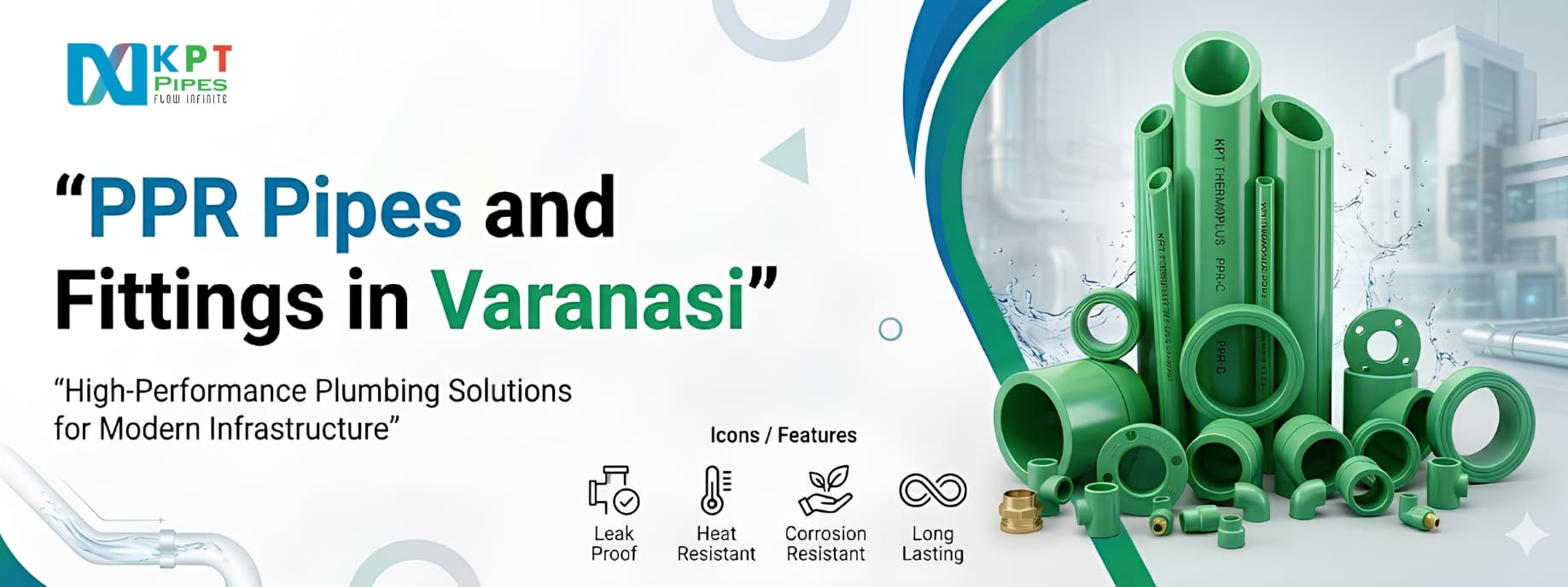
Modern plumbing systems require durable, safe, and long-lasting materials, and that is why PPR Pipe have become one of the most preferred choices for residential, commercial, and industrial projects. Known for their excellent resistance to heat, pressure, and corrosion, PPR pipes are widely used in cities like Varanasi where changing weather conditions and water quality can affect plumbing systems over time.
However, even high-quality piping systems need proper care and maintenance to ensure smooth performance for years. Regular maintenance not only increases the lifespan of the pipes but also helps avoid expensive repairs and water leakage problems in the future. If you are using PPR pipes in your home or commercial property, understanding how to maintain them properly is extremely important.
In this guide, we will discuss practical and effective maintenance tips that can help improve the durability and performance of PPR piping systems in Varanasi.
Table of Contents
ToggleWhy PPR Pipes Are Popular in Varanasi
Varanasi experiences varying temperatures, humid weather, and water conditions that can impact traditional piping systems. Many property owners now prefer PPR Pipes because they offer several advantages over conventional metal and plastic pipes.
Some major reasons behind their popularity include:
- High resistance to corrosion and rust
- Excellent durability under high pressure
- Safe for hot and cold water applications
- Leak-proof joint connections
- Low maintenance requirements
- Long operational life
- Eco-friendly and recyclable material
These features make PPR pipes suitable for homes, apartments, hotels, hospitals, and industrial buildings across Varanasi.
Importance of Proper Maintenance for PPR Pipes
Although PPR pipes are highly durable, neglecting maintenance can reduce their efficiency over time. Dust accumulation, improper installation, excessive pressure, and exposure to harsh conditions may lead to plumbing issues if not addressed early.
Proper maintenance helps in:
- Preventing leakage problems
- Maintaining smooth water flow
- Avoiding pipe damage and cracks
- Increasing the life of the plumbing system
- Reducing long-term repair costs
- Ensuring hygienic water supply
Regular inspection and timely care can significantly improve the overall performance of your piping system.
Tips to Maintain PPR Pipes and Fittings for Long-Term Performance
1. Conduct Regular Pipe Inspections
Routine inspection is one of the simplest ways to maintain PPR piping systems. Regularly checking the pipes helps identify small issues before they become major problems.
While inspecting the pipes, look for:
- Leakage around fittings
- Cracks or visible damage
- Moisture accumulation
- Loose pipe connections
- Changes in water pressure
Early detection of problems can save both time and repair expenses.
2. Avoid Excessive Water Pressure
PPR pipes are designed to handle high pressure, but constant excessive pressure can still reduce their lifespan. Overloaded water pressure may stress joints and fittings, eventually causing leaks or cracks.
To prevent this issue:
- Install pressure-regulating valves
- Avoid sudden pressure fluctuations
- Check water pumps regularly
- Use the correct pipe size for the application
Maintaining balanced pressure ensures better durability and smooth water flow.
3. Protect Pipes from Direct Sunlight
Continuous exposure to UV rays can affect the outer layer of certain piping systems over time. Although PPR pipes are highly durable, protecting them from direct sunlight can help preserve their strength and appearance.
Here are some useful solutions:
- Install protective coverings
- Use insulation materials
- Keep outdoor pipes shaded
- Avoid unnecessary exposure to heat
This simple precaution can improve the longevity of the pipes significantly.
4. Ensure Proper Installation
Even premium-quality PPR pipes can face issues if installation is not done correctly. Poor welding, incorrect fitting alignment, or improper support may lead to leakage and pipe stress.
Professional installation is always recommended because experts understand:
- Correct fusion welding techniques
- Proper alignment procedures
- Pressure handling requirements
- Secure fitting methods
Well-installed PPR pipes usually require less maintenance and provide reliable long-term performance.
5. Clean the Plumbing System Periodically
Over time, dirt particles and mineral deposits may accumulate inside the plumbing system, especially in areas with hard water. Cleaning the system periodically helps maintain smooth water flow and prevents blockages.
You can maintain cleanliness by:
- Flushing pipes occasionally
- Removing debris from filters
- Cleaning water storage systems
- Checking fittings for sediment buildup
Regular cleaning keeps the entire plumbing network functioning efficiently.
6. Prevent Mechanical Damage
PPR pipes are strong but can still get damaged due to heavy impact or improper handling during renovations or construction work.
To avoid accidental damage:
- Do not place heavy objects on pipes
- Avoid drilling near concealed pipelines
- Use protective casing where required
- Handle fittings carefully during repairs
Taking preventive measures can reduce the risk of sudden plumbing failures.
7. Use Quality Fittings and Accessories
The durability of the entire piping system depends not only on the pipes but also on the fittings and accessories used. Low-quality fittings may weaken the system and create leakage points.
Always choose:
- Compatible fittings
- Certified plumbing accessories
- Reliable jointing materials
- High-quality valves and connectors
Using premium components ensures stronger connections and better system reliability.
8. Insulate Hot Water Pipes
In hot water systems, insulation plays an important role in maintaining efficiency. Insulated PPR pipes help reduce heat loss and improve energy savings.
Benefits of pipe insulation include:
- Improved temperature retention
- Reduced energy consumption
- Protection from external conditions
- Prevention of condensation
This is especially useful for commercial buildings and large residential projects.
9. Repair Minor Issues Immediately
Ignoring small plumbing issues often leads to bigger and more expensive problems later. A minor leakage or loose fitting can gradually damage walls, floors, and nearby structures.
Whenever you notice:
- Water seepage
- Reduced water pressure
- Unusual pipe noise
- Dripping joints
Get the issue repaired as soon as possible to avoid long-term damage.
10. Schedule Professional Maintenance Checks
Professional plumbing inspections help identify hidden issues that may not be visible during routine checks. Experts use advanced tools and techniques to assess the condition of the piping system accurately.
Professional maintenance can help with:
- Leak detection
- Pressure testing
- Joint inspection
- System cleaning
- Preventive maintenance planning
Annual inspections can significantly extend the lifespan of PPR pipes and fittings.
Common Problems That Can Affect PPR Pipes
Even durable plumbing systems can sometimes face operational issues due to external factors. Some common problems include:
- Improper pipe welding
- Excessive water pressure
- Physical damage during construction
- Poor-quality fittings
- Exposure to harsh environmental conditions
Most of these issues can be avoided through regular maintenance and proper installation practices.
How Long Do PPR Pipes Last?
One of the biggest advantages of PPR Pipes and fittings is their long service life. When installed and maintained properly, they can last for several decades without significant performance issues.
Their lifespan depends on factors such as:
- Installation quality
- Water pressure management
- Environmental exposure
- Maintenance frequency
- Quality of fittings used
With proper care, PPR pipes can continue delivering reliable performance for residential and commercial plumbing systems for many years.
Conclusion
Maintaining a plumbing system properly is essential for ensuring uninterrupted water supply and avoiding unnecessary repair costs. PPR Pipes are known for their durability, efficiency, and excellent performance, but regular maintenance is still necessary to maximize their lifespan.
Simple practices such as routine inspections, proper cleaning, pressure control, professional installation, and timely repairs can greatly improve the efficiency of the piping system. In a city like Varanasi, where environmental conditions can affect plumbing performance, following these maintenance tips can help property owners keep their systems reliable and long-lasting.
Investing time in proper pipe maintenance today can save significant costs and complications in the future.
FAQs
Q1. How often should PPR pipes be inspected?
Ans: PPR pipes should ideally be inspected every few months to identify leaks, cracks, or pressure-related issues early.
Q2. Can PPR pipes handle hot water?
Ans: Yes, PPR pipes are designed for both hot and cold water applications and can withstand high temperatures effectively.
Q3. Do PPR pipes require regular cleaning?
Ans: Periodic cleaning is recommended to prevent sediment buildup and maintain smooth water flow.
Q4. What is the average lifespan of PPR pipes?
Ans: With proper maintenance and installation, PPR pipes can last for several decades.
Q5. Are PPR pipes suitable for Varanasi’s climate?
Ans: Yes, PPR pipes perform well in varying weather conditions and are highly suitable for residential and commercial use in Varanasi.