
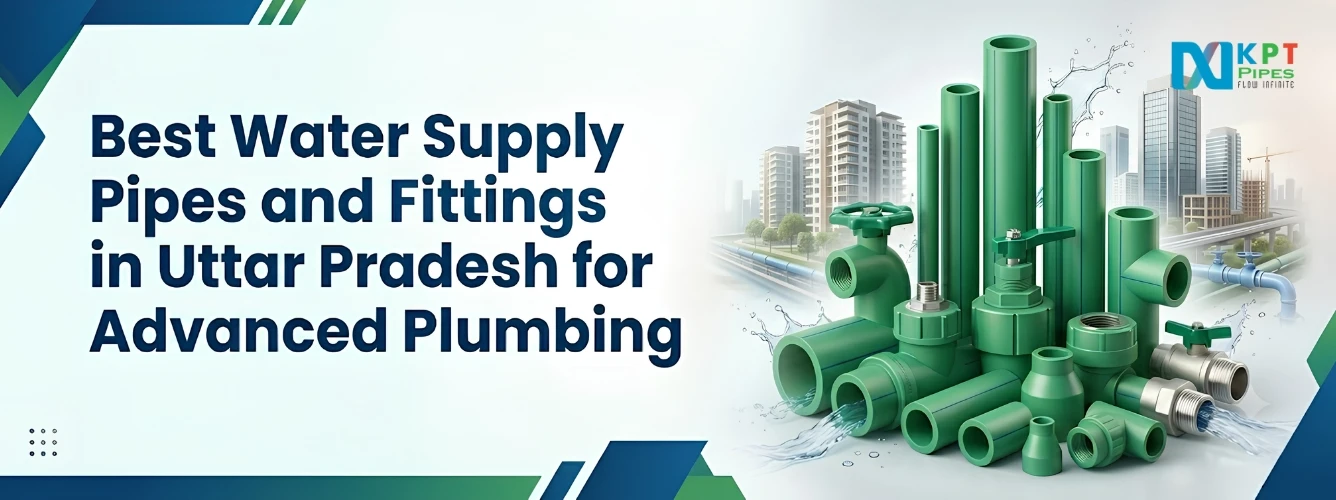
The demand for reliable plumbing and water distribution systems has increased significantly across Uttar Pradesh. From residential housing projects and commercial complexes to hospitals, educational institutions, and industrial facilities, developers are looking for piping solutions that offer durability, safety, and long-term performance. This growing need has led to the widespread adoption of PPR Pipes and Fittings across the state.
PPR (Polypropylene Random Copolymer) pipes have become a preferred choice for hot and cold water transportation due to their strength, corrosion resistance, and extended service life. Unlike traditional metal pipes that may rust or deteriorate over time, PPR piping systems maintain water quality while requiring minimal maintenance.
Table of Contents
ToggleWhy PPR Pipes Are Gaining Popularity in Uttar Pradesh
Uttar Pradesh experiences varying climatic conditions throughout the year. Plumbing systems must withstand temperature fluctuations, pressure variations, and continuous usage. PPR pipes are designed to meet these challenges efficiently.
Their smooth internal surface reduces friction losses and prevents scale formation, ensuring uninterrupted water flow. Additionally, these pipes are lightweight, making transportation and installation easier compared to conventional piping materials.
The increasing focus on sustainable construction and efficient infrastructure development has further accelerated the adoption of PPR piping systems throughout cities such as Lucknow, Kanpur, Noida, Ghaziabad, Agra, and Varanasi.
Key Benefits of PPR Pipes and Fittings
1. Exceptional Durability
One of the most significant advantages of PPR pipes is their long operational life. When installed correctly, they can perform efficiently for several decades without significant degradation.
Their resistance to wear and environmental stress makes them suitable for both residential and commercial projects.
2. Corrosion and Rust Resistance
Unlike metal pipes, PPR pipes do not corrode when exposed to water or moisture. This feature helps maintain water purity and reduces maintenance costs over time.
The absence of rust formation also prevents contamination, making PPR systems suitable for drinking water applications.
3. Suitable for Hot and Cold Water Systems
PPR pipes are engineered to handle both hot and cold water supply networks. Their thermal stability allows them to maintain performance under varying temperatures without cracking or deforming.
This versatility makes them ideal for homes, hotels, hospitals, and industrial facilities.
4. Leak-Proof Jointing Technology
PPR pipes are joined through heat fusion welding, creating a homogeneous and permanent connection. This process significantly minimizes the risk of leakage compared to traditional threaded joints.
A leak-proof piping system not only conserves water but also protects building structures from moisture-related damage.
5. Eco-Friendly Solution
Modern construction projects increasingly prioritize sustainability. PPR pipe are recyclable and require less energy during manufacturing compared to many traditional piping materials.
Their long lifespan also reduces replacement frequency, contributing to environmental conservation.
Applications of PPR Pipes and Fittings in Uttar Pradesh
Residential Buildings
Modern apartments, villas, and housing societies require dependable plumbing systems for kitchens, bathrooms, and overhead water distribution. PPR pipes provide a safe and efficient solution for daily water supply needs.
Commercial Complexes
Shopping malls, office buildings, hotels, and business parks demand robust piping systems capable of handling continuous water flow. PPR pipes offer excellent performance with minimal maintenance requirements.
Healthcare Facilities
Hospitals and healthcare centers require hygienic water transportation systems. PPR pipes help maintain water quality while supporting hot and cold water distribution throughout medical facilities.
Educational Institutions
Schools, colleges, and universities rely on efficient plumbing infrastructure to serve large numbers of students and staff. PPR systems deliver consistent performance and long-term reliability.
Industrial Facilities
Many industries utilize water for production processes, cooling systems, and sanitation purposes. PPR pipes provide excellent chemical resistance and operational efficiency in industrial environments.
Factors to Consider When Choosing PPR Pipes
Selecting the right piping system is crucial for ensuring long-term performance. Before purchasing PPR pipes and fittings, consider the following factors:
Quality Standards
Always choose products that comply with recognized manufacturing standards and quality certifications. High-quality pipes provide better safety and durability.
Pipe Dimensions
Different projects require different pipe sizes and pressure ratings. Ensure the selected pipe specifications align with the intended application.
Manufacturer Reputation
Working with an established pipes manufacturing company helps ensure product consistency, technical support, and dependable performance.
Installation Expertise
Even the best piping system requires proper installation. Professional installation ensures optimal functionality and minimizes future maintenance issues.
The Role of PPR Pipes in Modern Infrastructure Development
Uttar Pradesh is witnessing rapid urban expansion and infrastructure growth. Smart cities, residential developments, commercial projects, and industrial parks are driving demand for advanced plumbing technologies.
PPR pipes contribute significantly to these developments by providing:
- Reliable water transportation
- Improved water quality
- Reduced maintenance expenses
- Long service life
- Enhanced system efficiency
As construction standards continue to evolve, PPR piping systems are becoming an integral component of modern building infrastructure.
Maintenance Tips for PPR Piping Systems
Although PPR pipes require minimal maintenance, following basic practices can maximize their lifespan:
- Conduct periodic inspections of fittings and joints.
- Avoid excessive mechanical impact during renovations.
- Use compatible fittings and accessories.
- Ensure proper installation by trained professionals.
- Follow manufacturer recommendations for operating pressure and temperature.
These simple measures help maintain system efficiency and reduce long-term operational costs.
Future of PPR Pipes and Fittings in Uttar Pradesh
The future of plumbing infrastructure in Uttar Pradesh is closely linked to advanced piping technologies. Increasing awareness regarding water conservation, building safety, and sustainable construction practices is encouraging greater adoption of PPR systems.
As government infrastructure initiatives and private real estate investments continue to expand, the demand for high-performance piping solutions is expected to grow steadily. PPR pipes are well-positioned to support this transformation by delivering durability, efficiency, and environmental benefits.
Conclusion
PPR Pipes and Fittings have emerged as a reliable solution for modern plumbing and water distribution systems across Uttar Pradesh. Their durability, corrosion resistance, leak-proof performance, and suitability for hot and cold water applications make them a preferred choice for residential, commercial, and industrial projects.
As infrastructure development accelerates throughout the state, investing in high-quality PPR piping systems can help ensure efficient water management, reduced maintenance costs, and long-term operational reliability.
Frequently Asked Questions (FAQs)
Q1. What are PPR pipes used for?
Ans: PPR pipes are primarily used for hot and cold water supply systems in residential, commercial, and industrial buildings.
Q2. How long do PPR pipes last?
Ans: High-quality PPR pipes can last more than 50 years under normal operating conditions and proper installation.
Q3. Are PPR pipes safe for drinking water?
Ans: Yes, PPR pipes are non-toxic and help maintain water quality, making them suitable for potable water applications.
Q4. Do PPR pipes rust or corrode?
Ans: No. PPR pipes are highly resistant to rust, corrosion, and scale formation, ensuring long-term performance.
Q5. Why are PPR pipes preferred over traditional metal pipes?
Ans: PPR pipes offer leak-proof joints, corrosion resistance, lightweight installation, longer lifespan, and lower maintenance requirements.