
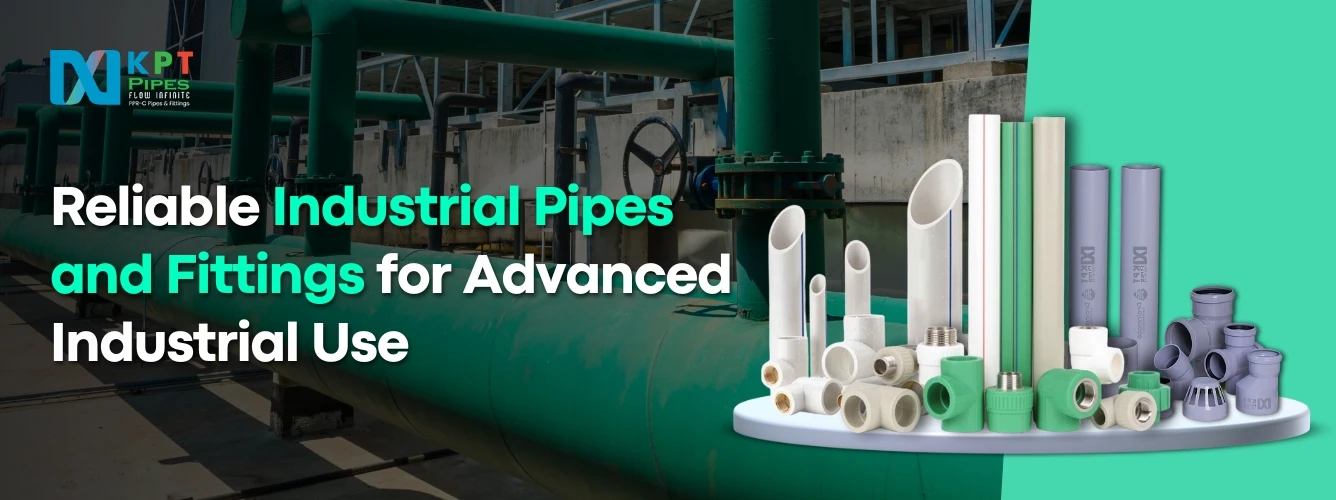
In the dynamic world of industry, industrial pipes and fittings play a pivotal role in ensuring smooth operations, efficiency, and safety. From chemical processing plants to water treatment facilities, the demand for durable and reliable piping solutions has grown tremendously. The quality of these pipes and fittings directly impacts operational efficiency, maintenance costs, and long-term sustainability.
Choosing the right industrial piping solutions is essential for industries that handle a variety of fluids, gases, and high-temperature substances. A robust piping system not only supports production but also minimises downtime and reduces the risk of leakage or contamination.
Table of Contents
ToggleWhy Industrial Pipes and Fittings Matter
Industrial systems rely on a complex network of pipelines to transport liquids, gases, or other materials. Each system requires precision-engineered industrial pipe fittings to ensure seamless connectivity and safety. Poor-quality fittings can lead to leaks, contamination, and operational failures, which can be costly both financially and environmentally.
Key advantages of high-quality industrial pipes and fittings include:
- Enhanced durability and long service life
- Resistance to corrosion, pressure, and temperature variations
- Ease of installation and maintenance
- Compliance with international safety and quality standards
- Minimisation of downtime due to reliable performance
Industries like chemical manufacturing, pharmaceuticals, oil and gas, power plants, and food processing require tailored solutions. This is where KPT Pipes’ expertise in industrial piping solutions becomes invaluable.
Types of Industrial Pipes and Fittings
Industrial applications demand a variety of pipes, each designed to handle specific materials, pressure levels, and operational conditions. Choosing the right type ensures efficiency, safety, and long-term durability in industrial setups. Some of the most commonly used industrial pipes include:
- PPR Pipes: Known for their chemical resistance, thermal stability, and long service life, PPR pipes are ideal for transporting hot and cold water, chemicals, and industrial fluids.
- uPVC Pipes: Lightweight, corrosion-resistant, and cost-effective, uPVC pipes and fittings are widely used in water supply systems, drainage, and chemical transport in industries.
- CPVC Pipes: Offering higher temperature resistance than uPVC, CPVC pipes are perfect for hot water systems and chemical processing units.
- Composite Pipes (PPR-AL-PPR): Combining materials like PPR and aluminum, composite pipes provide enhanced strength, durability, and resistance to high pressure and temperature.
SWR Pipes: Strong, durable, and suitable for wastewater and drainage applications, SWR pipes and fittings are commonly used in industrial sewage systems. - Pneumatic Pipes: Specifically designed for compressed air systems, pneumatic pipes ensure efficient air flow in industrial automation and machinery operations.
- Thermoplus Pipes: Engineered for fire fighting and high-temperature industrial applications, Thermoplus pipes offer superior safety, reliability, and longevity.
Each type of pipe plays a crucial role in creating robust industrial piping solutions, ensuring smooth operations, minimal downtime, and maximum safety in industrial environments.
Importance of Choosing Quality Industrial Pipe Fittings
Just as pipes form the backbone of industrial infrastructure, industrial pipe fittings are essential components that connect, redirect, and control fluid flow throughout complex systems. These fittings, including elbows, tees, couplings, flanges, reducers, and valves, ensure that every section operates efficiently and safely. Selecting the right fittings enhances several key aspects of an industrial piping network:
- Flow Efficiency and Minimal Pressure Loss: Proper fittings streamline the direction of flow, helping maintain consistent pressure levels and preventing turbulence that can reduce efficiency.
- Leak Prevention and System Integrity: High-quality fittings create tight seals and durable joints, minimizing the risk of leaks that can lead to material loss or operational downtime.
- Flexibility in Design for Complex Piping Networks: Customized fittings allow engineers to create intricate and adaptive piping layouts that suit different industrial requirements and space constraints.
- Safety in High-Pressure or Corrosive Environments: Engineered fittings enhance the safety of operations by withstanding extreme pressure and temperature variations in demanding environments.
KPT Pipes offers a comprehensive portfolio of industrial pipe fittings designed for seamless integration across a variety of applications, ensuring reliability, precision, and long-term performance for industries of all scales.
Benefits of Advanced Industrial Piping Solutions
Modern industries depend on innovation and resilience to ensure efficient flow management and operational stability. Advanced industrial piping solutions from KPT Pipes merge strength, endurance, and efficiency to deliver long-term sustainable performance across sectors.
- Customized Design Options: Each piping system is tailored to suit specific flow requirements, pressure ratings, and environmental conditions for optimal system functionality.
- High-Quality Materials: Every pipe and fitting is engineered to withstand chemical exposure, mechanical stress, and extreme thermal conditions, ensuring durability and performance.
- Ease of Installation: Pre-engineered and compatible systems simplify on-site assembly, significantly reducing installation time, labor requirements, and project delays.
- Maintenance Support: Comprehensive technical guidance and after-sales assistance help optimize system performance and extend the lifespan of installations.
- Cost Efficiency: Efficient design, reliable performance, and reduced maintenance needs collectively result in lower operational costs and longer-lasting infrastructure.
By integrating industrial piping solutions built with precision engineering and modern manufacturing technology, industries can achieve greater productivity, safety, and sustainability while minimizing environmental and operational risks.
Applications Across Industries
Across sectors such as power, manufacturing, and pharmaceuticals, industrial pipes and fittings are vital for ensuring safe, efficient, and reliable flow systems. KPT Pipes delivers advanced industrial piping solutions customised to each industry’s operational needs.
- Manufacturing Plants: Enable uninterrupted flow for cooling water, process fluids, and production lines, ensuring efficient plant operations.
- Chemical Processing Units: Facilitate safe and secure handling of various process fluids while maintaining system integrity and performance.
- Oil and Gas Operations: Support high-pressure and high-temperature flow systems, ensuring reliable and leak-free performance in critical applications.
- Water Treatment Plants: Ensure smooth distribution, purification, and recycling processes, promoting sustainable water management solutions.
- Food and Beverage Facilities: Deliver hygienic and contamination-free flow systems suitable for process water, cleaning, and ingredient transfer.
- Pharmaceutical Industries: Maintain sterile and controlled flow networks in environments that demand high levels of purity and compliance.
- Power and Energy Plants: Support steam, condensate, and cooling systems that operate under rigorous pressure and temperature conditions.
Each KPT project incorporates modern industrial piping solutions tailored to the unique requirements of every sector.
Maintenance and Safety Tips for Industrial Piping Systems
To maximize the service life and reliability of industrial pipes and fittings, regular maintenance and strict adherence to safety protocols are essential for efficient operations.
- Conduct periodic inspections for leaks and corrosion: Routine visual checks and pressure tests help identify potential weaknesses early, preventing costly downtime and failures.
- Ensure proper support and alignment to prevent stress on fittings: Well-supported lines reduce mechanical strain and vibration, enhancing the longevity of pipe joints and fittings.
- Follow manufacturer guidelines for installation and maintenance: Adhering to recommended best practices ensures compatibility, performance, and extended lifespan of components.
- Monitor pressure and temperature to avoid system failures: Consistent monitoring helps maintain optimal operating conditions and prevents rupture or fatigue under variable loads.
- Replace worn-out or damaged fittings promptly to prevent accidents: Timely replacement minimizes safety hazards and keeps the system running at peak efficiency.
Implementing these preventive and corrective practices significantly reduces operational downtime, enhances workplace safety, and extends the functional life of every industrial piping solution.
Future Trends in Industrial Piping Solutions
The industrial piping sector is rapidly transforming with innovations focused on efficiency, sustainability, and automation. These developments are redefining how industries approach fluid handling and system management.
- Smart Piping Systems: Integration of sensors and IoT devices enables real-time data monitoring, predictive maintenance, and improved process control across critical operations.
- Advanced Materials: The industry is shifting toward highly durable, corrosion-resistant, and lightweight materials that perform reliably in extreme temperature and pressure environments.
- Prefabricated Modules: Factory-assembled piping units simplify onsite installation, reduce labor costs, and allow faster project completion with assured quality.
- Sustainable Solutions: Eco-friendly designs and recyclable materials are helping industries lower carbon footprints while maintaining optimal performance standards.
- Automation: Modern control systems regulate flow, pressure, and temperature automatically, enhancing precision and operational safety at every stage.
These advancements illustrate the growing demand for industrial pipe fittings and comprehensive industrial piping solutions that combine innovation, durability, and environmental responsibility.
Choosing the Right Industrial Piping Partner
Selecting the right partner for industrial pipes and fittings determines the long-term efficiency and success of any infrastructure project. KPT Pipes is recognized for delivering end-to-end piping solutions backed by reliability, innovation, and technical expertise.
- Extensive Product Range: A comprehensive selection of pipes, fittings, and accessories designed to meet diverse industrial flow and process requirements.
- Quality Assurance: Every product complies with strict national and international standards, ensuring consistent performance and long-lasting durability.
- Technical Expertise: Specialized guidance helps clients choose suitable industrial pipe fittings and configurations tailored to specific applications and system needs.
- Timely Delivery: A robust supply chain network across India ensures quick product availability and on-schedule project completion.
- Sustainability: Environmentally conscious production processes and energy-efficient technologies minimize impact while maximizing product efficiency.
Choosing a dependable industrial piping partner like KPT ensures streamlined project execution, reduced maintenance overheads, and uninterrupted operations across varied industrial environments.
Conclusion
In the industrial sector, reliable industrial pipes and fittings form the backbone of operational efficiency. From chemical plants to power facilities, choosing the right industrial piping solutions ensures durability, safety, and cost-effectiveness. With a trusted partner like KPT Pipes, industries gain access to high-quality products, technical expertise, and a comprehensive range of piping solutions designed to meet modern industrial demands. Investing in the right industrial pipes and fittings today can significantly enhance the efficiency and longevity of industrial infrastructure tomorrow.
FAQs
Q1: What are industrial pipes used for?
Ans: Industrial pipes are primarily used to transport fluids, gases, and chemicals safely across industrial setups. They are designed to withstand high pressure, temperature variations, and chemical exposure, making them essential in industries like oil & gas, chemical processing, water treatment, and power plants.
Q2: How are industrial pipe fittings important?
Ans: Industrial pipe fittings, such as elbows, tees, flanges, and couplings, connect, redirect, and control fluid flow. They ensure leak-free operations, maintain system integrity, and allow for flexible piping designs, especially in complex industrial networks.
Q3: What materials are used for industrial pipes and fittings?
Ans: Industrial pipes and fittings are made from materials such as stainless steel, carbon steel, PVC, uPVC, PPR, and composite materials. The choice depends on the industry, fluid type, temperature, and pressure requirements.
Q4: How to choose the right industrial piping solutions?
Ans: Selecting the right solutions involves evaluating factors like fluid type, operating pressure, temperature, material compatibility, and maintenance requirements. Partnering with a trusted supplier ensures proper guidance and high-quality products.
Q5: What maintenance is required for industrial piping systems?
Ans: Regular inspections, monitoring pressure and temperature, replacing worn-out fittings, and following manufacturer guidelines are key maintenance steps. Proper maintenance prevents leaks, system failures, and extends the lifespan of pipes and fittings.