
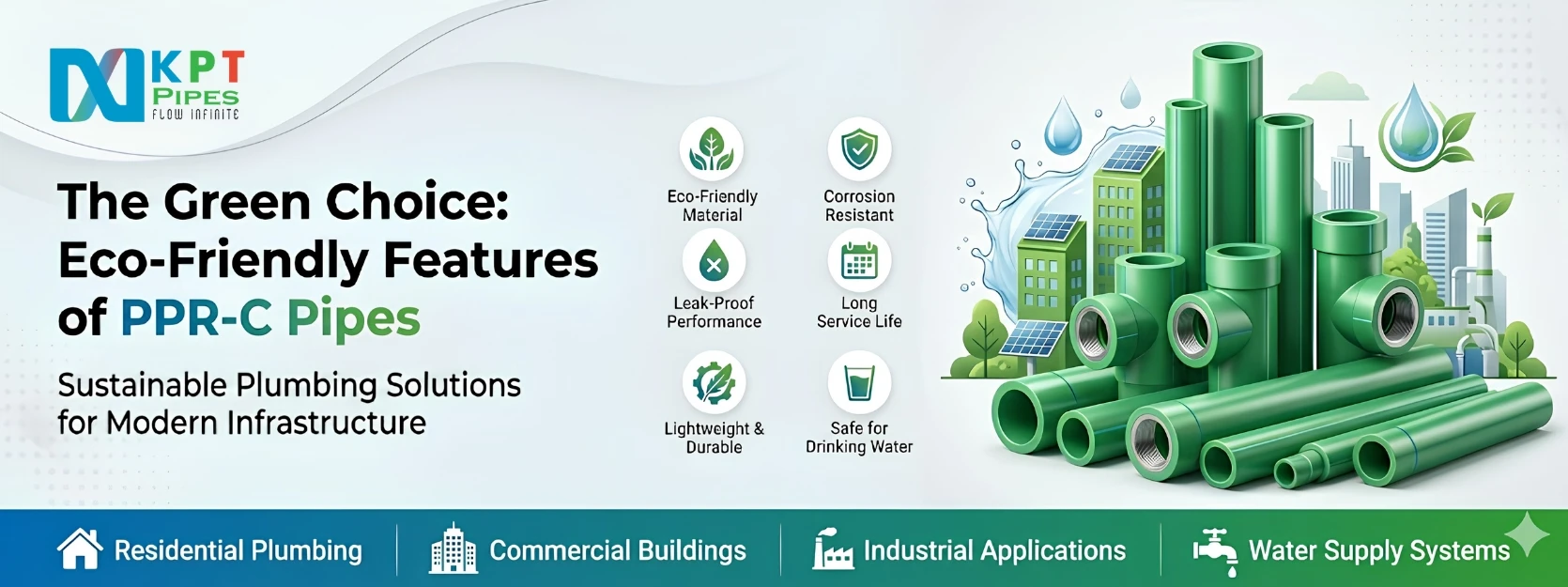
In today’s world, sustainability is no longer just a trend—it has become a necessity. Industries across the globe are shifting toward environmentally responsible practices, and the plumbing sector is no exception. One of the biggest innovations supporting green construction and sustainable infrastructure is the use of PPR-C pipes. Known for their durability, efficiency, and eco-friendly properties, these pipes are rapidly becoming the preferred choice for residential, commercial, and industrial plumbing systems.
As modern buildings demand safer and more energy-efficient solutions, pprc piping systems are proving to be an ideal alternative to traditional metal and plastic pipes. Whether it is water supply systems, industrial fluid transportation, or heating applications, these advanced pipes offer long-lasting performance with minimal environmental impact. Many experts now consider them among the best pipes in India because of their reliability, sustainability, and cost-effectiveness.
Table of Contents
ToggleUnderstanding PPR-C Pipes
PPR-C stands for Polypropylene Random Copolymer, a modern thermoplastic material designed specifically for piping systems. These pipes are manufactured using advanced polymer technology, making them resistant to heat, pressure, and chemical corrosion.
Unlike conventional piping materials that may rust, crack, or release harmful substances over time, PPR-C pipes maintain water purity and ensure safe fluid transportation. Their lightweight structure and easy installation process also reduce energy consumption during manufacturing and transportation.
Today, every leading pipes manufacturing company in India is focusing on eco-friendly products, and PPR-C technology is at the forefront of this transformation.
Why PPR-C Pipes Are Considered Eco-Friendly
1. Long Service Life Reduces Waste
One of the major environmental benefits of pprc pipes is their exceptionally long lifespan. These pipes can last more than 50 years under normal operating conditions. Because they require fewer replacements compared to traditional piping systems, they significantly reduce construction waste and material consumption.
Frequent replacement of old metal pipes contributes to landfill waste and increased resource extraction. By using long-lasting PPR-C pipes, builders and homeowners can minimize their environmental footprint while saving maintenance costs.
2. Energy-Efficient Manufacturing Process
The manufacturing process of PPR-C pipes consumes less energy compared to metal pipes such as copper or steel. Metal extraction and processing require high temperatures and large amounts of fuel, which contribute heavily to carbon emissions.
In contrast, PPR-C pipes are produced using advanced polymer processing methods that are comparatively energy-efficient. This makes them a greener option for modern construction projects. A reputed pipes manufacturing company in India now prioritizes sustainable production techniques to meet increasing environmental standards.
3. Recyclable and Sustainable Material
Another important advantage of pprc systems is recyclability. These pipes can be recycled and reused for manufacturing other plastic products, reducing environmental pollution and promoting a circular economy.
As sustainability becomes a key concern in infrastructure development, recyclable plumbing solutions are gaining popularity. Choosing recyclable PPR-C pipes helps reduce the burden on natural resources while supporting eco-conscious construction practices.
4. Leak-Free Fusion Technology
Traditional piping systems often experience leakage due to threaded or joint connections. Water leakage not only wastes valuable resources but can also damage buildings and increase repair costs.
PPR-C pipes use heat fusion welding technology, creating leak-proof joints that become as strong as the pipe itself. This fusion process minimizes water wastage and improves overall system efficiency.
Water conservation is one of the biggest environmental challenges today, and leak-proof pprc systems play an important role in sustainable water management.
5. Non-Toxic and Safe for Drinking Water
Environmental sustainability also includes human health and safety. Many conventional pipes may corrode over time and contaminate water supplies with harmful substances.
However, PPR-C pipes are non-toxic and chemically stable. They do not release harmful chemicals into the water, ensuring hygienic and safe drinking water systems. This makes them suitable for hospitals, homes, schools, hotels, and commercial buildings.
Because of these safety features, they are increasingly recognized among the best pipes in India for modern plumbing infrastructure.
Excellent Thermal Insulation Properties
One of the standout features of PPR-C pipes is their thermal insulation capability. Unlike metal pipes, which quickly lose heat, PPR-C pipes maintain water temperature more effectively.
This insulation property reduces energy consumption in hot water systems because less heat is lost during transportation. As a result, buildings can lower their energy usage and operational costs.
For industries and commercial projects focused on green building certifications, PPRC piping systems contribute significantly toward energy efficiency goals.
Corrosion and Chemical Resistance
Traditional metal pipes are highly vulnerable to rust and corrosion, especially in areas with hard water or chemical exposure. Corroded pipes require regular maintenance and replacement, leading to increased material waste and operational expenses.
PPR-C pipes are resistant to corrosion, scaling, and chemicals, making them highly durable in demanding environments. Their resistance to aggressive chemicals also makes them suitable for industrial fluid transportation systems.
This durability reduces maintenance requirements and extends the life of plumbing systems, making them an environmentally responsible investment.
Lightweight Design Reduces Carbon Footprint
Transportation and installation also impact environmental sustainability. Heavy piping materials consume more fuel during transportation and require more labor and machinery for installation.
In comparison, PPR-C pipes are lightweight and easy to handle. This reduces transportation emissions and simplifies installation processes. Contractors can complete projects faster while reducing labor costs and environmental impact.
A trusted pipes manufacturing company in India often recommends lightweight piping systems for sustainable infrastructure development.
Applications of PPR-C Pipes in Sustainable Construction
The demand for eco-friendly construction materials is increasing rapidly, and pprc systems are widely used in:
- Residential plumbing systems
- Commercial buildings
- Industrial fluid transportation
- Hot and cold water systems
- Fire fighting applications
- HVAC systems
- Agriculture irrigation networks
Their versatility and eco-friendly performance make them one of the best pipes in India for both small and large-scale projects.
Why Builders Prefer PPR-C Pipes Today
Builders, architects, and contractors are now focusing on green construction methods to meet environmental regulations and customer expectations. PPR-C pipes help achieve these goals by offering:
- Long-term durability
- Minimal maintenance
- Energy efficiency
- Safe water transportation
- Sustainable manufacturing
- Leak-proof performance
- Reduced environmental impact
These benefits make pprc piping systems a smart choice for future-ready infrastructure projects.
Future of Eco-Friendly Plumbing Solutions
The future of plumbing lies in sustainable innovation, and PPR-C pipes are leading this transformation. As environmental concerns continue to grow, the demand for durable and recyclable piping solutions will increase significantly.
Every major pipes manufacturing company in India is investing in advanced technologies to produce high-quality and sustainable piping systems. With their eco-friendly features, low maintenance requirements, and superior performance, PPR-C pipes are expected to dominate the modern plumbing industry for years to come.
For homeowners, industries, and commercial builders looking for sustainable plumbing solutions, choosing PPR-C pipes is not just a practical decision—it is an environmentally responsible one.
FAQs
Q1. What are PPR-C pipes used for?
Ans: PPR-C pipes are used for hot and cold water supply systems, industrial piping, HVAC systems, fire fighting systems, and agricultural applications.
Q2. Why are PPR-C pipes considered eco-friendly?
Ans: They are recyclable, energy-efficient, leak-proof, long-lasting, and require less maintenance, making them environmentally sustainable.
Q3. Are PPR-C pipes safe for drinking water?
Ans: Yes, pprc pipes are non-toxic and maintain water purity, making them safe for potable water systems.
Q4. How long do PPR-C pipes last?
Ans: Under normal conditions, PPR-C pipes can last over 50 years with proper installation and maintenance.
Q5. Why are PPR-C pipes among the best pipes in India?
Ans: They offer durability, corrosion resistance, thermal insulation, leak-proof performance, and eco-friendly benefits, making them highly reliable for modern plumbing systems.