
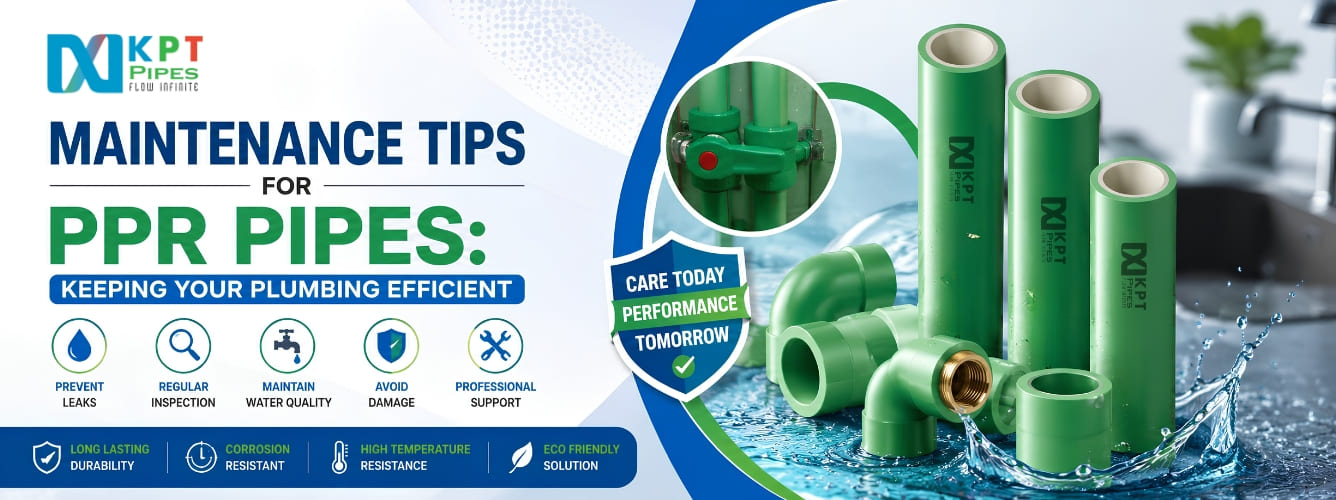
Modern plumbing systems require durable and reliable piping solutions that can withstand daily use while maintaining optimal performance. Among the many options available today, PPR (Polypropylene Random Copolymer) pipes have become a preferred choice for residential, commercial, and industrial plumbing systems. Their corrosion resistance, long service life, and ability to handle both hot and cold water make them highly dependable.
While PPR pipes are known for requiring minimal maintenance, regular care and inspection can significantly improve their performance and lifespan. Proper maintenance not only prevents unexpected plumbing issues but also helps property owners avoid costly repairs in the future.
In this guide, we’ll explore practical maintenance tips that can keep your PPR pipe system operating efficiently for years.
Table of Contents
ToggleUnderstanding the Importance of PPR Pipe Maintenance
Many people assume that because PPR pipes are highly durable, they don’t require any attention after installation. While these pipes are certainly low-maintenance, periodic inspections and preventive measures ensure they continue delivering optimal performance.
Regular maintenance helps:
- Prevent water leakage and pressure loss
- Maintain smooth water flow
- Increase the lifespan of the plumbing system
- Reduce repair and replacement costs
- Improve overall water efficiency
A proactive approach can save considerable time and money while ensuring uninterrupted plumbing performance.
1. Conduct Regular Visual Inspections
One of the simplest yet most effective maintenance practices is conducting routine visual inspections.
Check visible sections of the piping system for:
- Signs of leaks or moisture
- Discolouration around joints
- Cracks or physical damage
- Loose pipe supports
- Unusual bulging or deformation
Even though PPR pipes and fittings are resistant to corrosion and rust, external damage caused by accidental impact or environmental factors should be addressed immediately.
Performing inspections every few months allows small issues to be identified before they become serious problems.
2. Monitor Water Pressure Levels
Excessive water pressure can place unnecessary stress on any plumbing system, including PPR pipes.
High pressure may lead to:
- Joint failures
- Increased wear on fittings
- Reduced system lifespan
- Water wastage
Install pressure regulators if your property experiences fluctuating water pressure. Maintaining recommended pressure levels ensures that the pipes and fittings operate within safe limits.
If you notice sudden changes in water pressure, investigate the issue promptly to prevent damage to the system.
3. Protect Pipes from Extreme Temperatures
PPR pipes are designed to handle hot and cold water efficiently, but prolonged exposure to extreme environmental conditions can affect their performance over time.
To protect your piping system:
- Insulate exposed hot water lines
- Avoid direct exposure to excessive heat sources
- Protect outdoor pipes from harsh weather conditions
- Use appropriate pipe coverings where necessary
Proper insulation also improves energy efficiency by minimizing heat loss in hot water distribution systems.
4. Keep Pipe Supports Secure
Pipe supports play a critical role in maintaining the structural integrity of a plumbing network.
Over time, supports may loosen due to vibration, movement, or building settlement.
Inspect support brackets regularly to ensure:
- Pipes remain properly aligned
- Sagging sections are avoided
- Stress on joints is minimized
- Pipe movement is controlled
Properly supported pipes experience less mechanical stress, reducing the likelihood of long-term damage.
5. Flush the Plumbing System Periodically
Sediment accumulation can occur in any water distribution system, particularly in areas with hard water.
Periodic flushing helps:
- Remove accumulated debris
- Maintain water quality
- Improve flow efficiency
- Reduce strain on the system
Flushing involves allowing water to flow through the system at a higher rate for a short period, helping clear any deposits that may have formed inside the pipes.
Although PPR pipes have smooth internal surfaces that resist scaling, occasional flushing remains a beneficial maintenance practice.
6. Prevent Chemical Exposure
PPR pipes offer excellent chemical resistance; however, unnecessary exposure to harsh chemicals should still be avoided.
Certain industrial chemicals or cleaning agents can affect fittings, seals, or nearby components.
To maintain system integrity:
- Use approved cleaning products
- Avoid storing corrosive substances near exposed piping
- Follow manufacturer recommendations for chemical compatibility
Taking preventive measures helps preserve the performance of the entire plumbing network.
7. Inspect Fusion Joints and Connections
One of the key advantages of PPR piping systems is heat fusion technology, which creates strong and leak-proof joints.
However, periodic inspection of joints remains essential.
Check for:
- Moisture around fittings
- Signs of leakage
- Physical damage
- Improper alignment
Early detection of connection issues helps prevent water loss and protects surrounding structures from moisture-related damage.
8. Address Leaks Immediately
Even minor leaks should never be ignored.
Small leaks can lead to:
- Increased water bills
- Structural damage
- Mold growth
- Reduced plumbing efficiency
If a leak is identified, isolate the affected section and perform repairs promptly. Timely intervention prevents minor issues from developing into larger plumbing failures.
A well-maintained system should remain completely leak-free throughout its service life.
9. Protect Pipes During Renovation Work
Building renovation and remodeling projects often pose a risk to existing plumbing systems.
Before beginning construction activities:
- Identify pipe locations
- Mark concealed plumbing routes
- Inform contractors about pipe positions
- Avoid drilling or cutting near plumbing lines
Accidental damage during renovation is one of the most common causes of pipe failures. Proper planning helps eliminate this risk.
10. Schedule Professional Inspections
While routine maintenance can be performed by property owners, periodic professional inspections provide additional assurance.
Experienced plumbing professionals can:
- Identify hidden issues
- Evaluate overall system health
- Test water pressure
- Verify joint integrity
- Recommend preventive measures
Annual inspections can significantly improve system reliability and help extend the lifespan of the plumbing infrastructure.
Common Mistakes to Avoid
Even high-quality PPR pipes can experience problems if improper practices are followed.
Avoid these common mistakes:
- Ignoring minor leaks
- Using incompatible fittings
- Exposing pipes to direct UV radiation for extended periods
- Overloading pipes with excessive pressure
- Skipping regular inspections
- Performing unauthorized modifications
Avoiding these errors helps maintain optimal plumbing performance and minimizes future repair costs.
Long-Term Benefits of Proper PPR Pipe Maintenance
Consistent maintenance offers several long-term advantages.
These include:
- Extended service life
- Improved water flow efficiency
- Lower maintenance expenses
- Enhanced plumbing reliability
- Better water conservation
- Reduced risk of emergency repairs
When properly maintained, PPR pipes can provide decades of dependable performance, making them one of the most cost-effective plumbing solutions available today.
Conclusion
PPR pipes have earned their reputation as a durable, efficient, and low-maintenance plumbing solution. However, like any infrastructure system, they perform best when given proper attention and care. Regular inspections, pressure monitoring, leak prevention, and periodic system flushing can help maintain peak efficiency while extending the life of the piping network.
By following these maintenance tips, homeowners, facility managers, and businesses can ensure that their plumbing systems continue operating smoothly for many years. A small investment in preventive maintenance today can prevent major plumbing problems tomorrow.
FAQs
Q1. How often should PPR pipes be inspected?
Ans: A visual inspection every 3–6 months is recommended, with a professional inspection at least once a year.
Q2. Do PPR pipes require regular cleaning?
Ans: They generally require minimal cleaning, but periodic flushing helps remove sediment and maintain efficient water flow.
Q3. Can high water pressure damage PPR pipes?
Ans: Yes. Excessive pressure can stress joints and fittings, reducing the overall lifespan of the system.
Q4. Are PPR pipes resistant to rust and corrosion?
Ans: Yes. PPR pipes are highly resistant to rust, corrosion, and scale formation, making them ideal for long-term plumbing applications.
Q5. What is the average lifespan of a properly maintained PPR pipe system?
Ans: With correct installation and maintenance, PPR pipes can often last 50 years or more under normal operating conditions.