
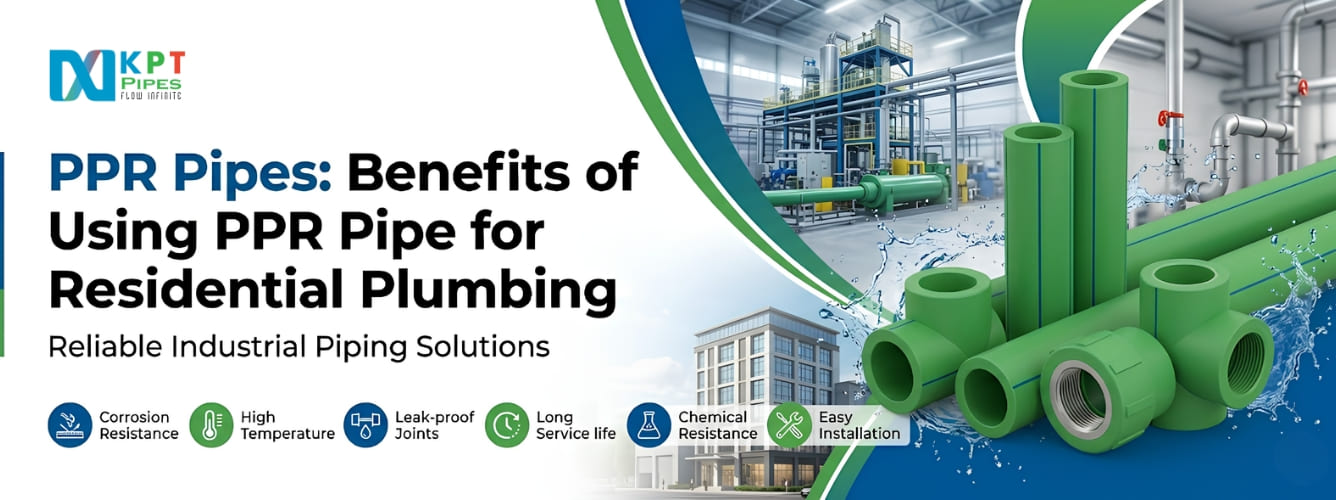
Modern plumbing systems require materials that offer durability, safety, efficiency, and long-term performance. As homeowners become more conscious of water quality and maintenance costs, the demand for advanced piping solutions continues to grow. Among the various options available today, PPR pipes have emerged as one of the most trusted choices for residential plumbing applications.
Made from Polypropylene Random Copolymer, PPR pipes are designed to handle both hot and cold water distribution efficiently. Their exceptional strength, corrosion resistance, and long service life make them a preferred solution for modern homes. Whether you are constructing a new property or upgrading an existing plumbing network, PPR pipes provide a reliable and cost-effective solution.
Table of Contents
ToggleWhat Are PPR Pipes?
PPR pipes are thermoplastic pipes manufactured from Polypropylene Random Copolymer. They are widely used in residential, commercial, and industrial plumbing systems because of their ability to withstand high temperatures and pressure.
Unlike traditional metal pipes that can rust over time, PPR pipes remain unaffected by corrosion and scale buildup. Their smooth internal surface ensures uninterrupted water flow while reducing energy loss within the system.
Why Homeowners Prefer PPR Pipes
The popularity of PPR pipes in residential plumbing is driven by their superior performance and low maintenance requirements. They are suitable for drinking water supply, bathroom plumbing, kitchen installations, and water heating systems.
The material’s chemical stability ensures that water remains safe and uncontaminated throughout its journey from source to tap. Additionally, the leak-proof fusion joining system provides extra confidence in long-term operation.
Top Benefits of Using PPR Pipes for Residential Plumbing
1. Exceptional Durability
One of the biggest advantages of PPR pipes is their remarkable lifespan. Under normal operating conditions, they can perform efficiently for over five decades. They resist rust, corrosion, scaling, and chemical reactions that commonly affect conventional piping materials.
This durability minimizes repair costs and reduces the need for frequent replacements.
2. Safe for Drinking Water
Water quality is a major concern in residential buildings. PPR pipes are manufactured using non-toxic materials that do not release harmful substances into the water supply.
Their smooth inner walls prevent bacterial growth and sediment accumulation, helping maintain cleaner and healthier water for household use.
3. Excellent Temperature Resistance
PPR pipes are designed to handle both hot and cold water applications. They can withstand high operating temperatures without deforming or losing strength.
This makes them ideal for:
- Hot water supply systems
- Solar water heating systems
- Residential plumbing networks
- Underfloor heating systems
4. Leak-Proof Connections
Unlike conventional plumbing systems that rely heavily on adhesives or threaded joints, PPR pipes use heat fusion technology.
The pipe and fitting are fused together to create a single, homogeneous connection. This process significantly reduces the possibility of leakage and ensures long-term reliability.
5. Cost-Effective Investment
Although the initial installation cost may be slightly higher than some traditional alternatives, the long service life and minimal maintenance requirements make PPR pipes a highly economical choice.
Homeowners save money through reduced repair expenses, lower water loss, and improved system efficiency.
Comparison Table: PPR Pipes vs Traditional Plumbing Materials
| Feature | PPR Pipes | PVC Pipes | Metal Pipes |
|---|---|---|---|
| Corrosion Resistance | Excellent | Good | Low |
| Hot Water Compatibility | Excellent | Limited | Good |
| Lifespan | 50+ Years | 20-30 Years | 15-25 Years |
| Water Quality Safety | High | Moderate | May Corrode |
| Installation Method | Heat Fusion | Solvent Cement | Welding/Threading |
| Maintenance Requirement | Very Low | Moderate | High |
| Leak Resistance | Excellent | Good | Moderate |
| Weight | Lightweight | Lightweight | Heavy |
How PPR Pipes Improve Residential Plumbing Efficiency
Efficient plumbing is not just about transporting water; it is also about reducing wastage and maintaining consistent performance.
PPR pipes contribute to efficiency by:
- Maintaining smooth water flow.
- Reducing pressure loss.
- Minimizing heat loss in hot water systems.
- Preventing scale formation.
- Lowering maintenance interruptions.
Because the inner surface remains smooth throughout its lifespan, water flow performance remains consistent for years.
Simple Installation Process of PPR Pipes
The installation of PPR pipes is straightforward and reliable when performed correctly.
Step 1: Planning
The plumbing layout is designed according to the building requirements. Pipe sizes and fitting locations are determined before installation begins.
Step 2: Cutting and Preparation
The pipes are measured accurately and cut to the desired length using specialized pipe cutters. The pipe ends are then cleaned to remove dust or debris.
Step 3: Heat Fusion Joining
A fusion machine heats both the pipe and fitting simultaneously. Once heated, they are joined together to create a permanent connection.
Step 4: Testing
After installation, the system undergoes pressure testing to verify joint integrity and ensure leak-free performance.
The simplicity of this process reduces installation time and enhances overall system reliability.
Environmental Benefits of PPR Pipes
Sustainability has become a major factor in modern construction, and PPR pipes contribute positively to environmentally responsible building practices.
Recyclable Material
PPR pipes can be recycled at the end of their service life, reducing environmental waste and supporting resource conservation.
Lower Energy Consumption
The manufacturing process of PPR pipes generally requires less energy compared to many traditional piping materials.
Reduced Carbon Footprint
Their lightweight design simplifies transportation and handling, resulting in lower fuel consumption during distribution.
Long Service Life
A longer lifespan means fewer replacements and less material waste over time.
Common Plumbing Challenges Solved by PPR Pipes
Many traditional plumbing systems face issues that can increase maintenance costs and inconvenience homeowners. PPR pipes help address these challenges effectively.
Corrosion
Metal pipes often develop rust and corrosion over time. PPR pipes remain unaffected by moisture and water chemistry.
Scale Formation
Mineral deposits can reduce pipe diameter and water pressure. The smooth internal surface of PPR pipes prevents significant scale accumulation.
Leakage
Heat-fused joints create strong, permanent connections that minimize leakage risks.
Temperature Fluctuations
PPR pipes maintain stability under varying temperatures, making them suitable for diverse climatic conditions.
Applications of PPR Pipes in Residential Buildings
PPR pipes are versatile and suitable for a wide range of household applications.
Common uses include:
- Hot and cold water distribution
- Kitchen plumbing systems
- Bathroom water supply lines
- Water heater connections
- Rainwater collection systems
- Solar heating installations
- Drinking water networks
Their adaptability makes them an all-in-one solution for modern residential plumbing requirements.
Choosing the Right PPR Pipe System
Selecting quality pipes is essential for achieving long-term plumbing performance.
When choosing PPR pipes, consider:
- Pipe pressure rating
- Temperature requirements
- Pipe diameter
- Certification standards
- Manufacturer reputation
- Availability of compatible fittings
Using high-quality pipes and fittings ensures maximum efficiency and system longevity.
Conclusion
PPR pipes and fittings have transformed residential plumbing by offering a combination of strength, safety, efficiency, and sustainability. Their corrosion resistance, leak-proof joints, long lifespan, and suitability for both hot and cold water systems make them a smart investment for homeowners.
As modern construction continues to prioritize reliability and environmental responsibility, PPR pipes remain one of the most practical and future-ready plumbing solutions available today. Choosing a quality PPR piping system can help ensure dependable water distribution, reduced maintenance costs, and long-term peace of mind for years to come.
FAQs
Q1. How long do PPR pipes last?
Ans: PPR pipes can last more than 50 years when installed and maintained properly.
Q2. Are PPR pipes suitable for hot water systems?
Ans: Yes, PPR pipes are designed to handle both hot and cold water applications efficiently.
Q3. Are PPR pipes safe for drinking water?
Ans: Yes, they are non-toxic and help maintain water quality without contamination.
Q4. Do PPR pipes rust or corrode?
Ans: No, PPR pipes are highly resistant to corrosion, rust, and chemical reactions.
Q5. Why are PPR pipes better than traditional metal pipes?
Ans: They are lightweight, leak-resistant, corrosion-free, and require significantly less maintenance.