
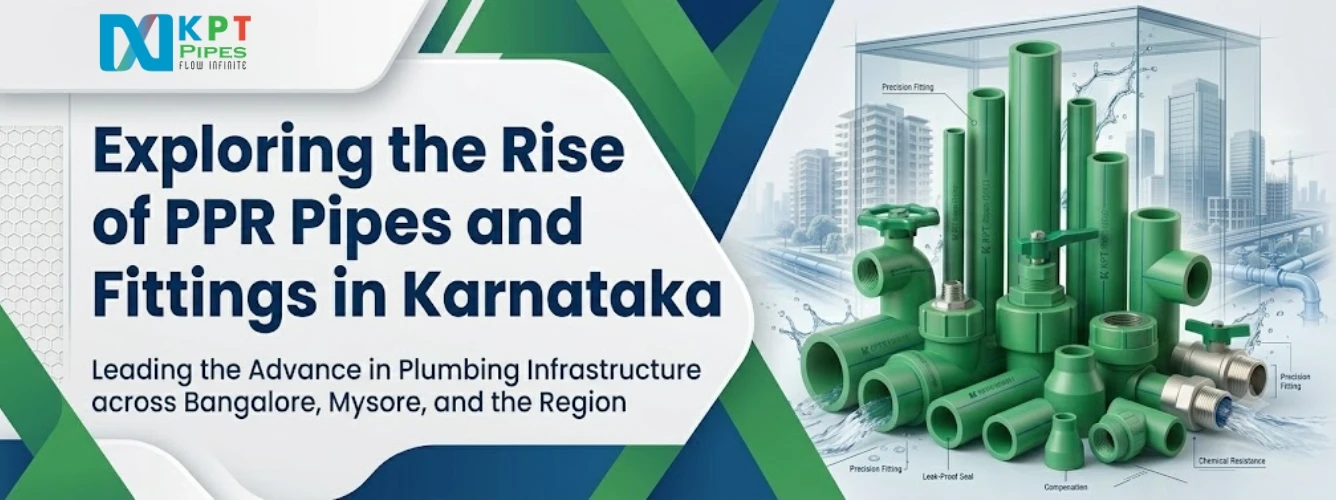
As Karnataka continues to emerge as one of India’s fastest-growing states in infrastructure, real estate, and industrial development, the demand for reliable plumbing solutions has increased significantly. Modern construction projects now require piping systems that offer durability, efficiency, and long-term performance. This is where PPR Pipes and Fittings have become a preferred choice among builders, architects, contractors, and homeowners.
Known for their exceptional strength, corrosion resistance, and eco-friendly properties, PPR pipes are transforming water distribution systems across Karnataka. From residential apartments in Bengaluru to industrial facilities in Mysuru and agricultural projects in North Karnataka, these advanced piping solutions are helping create more sustainable and efficient infrastructure.
Table of Contents
ToggleWhy Karnataka is Embracing PPR Pipes and Fittings
Karnataka’s rapid urbanization has created a strong need for plumbing systems that can withstand varying environmental conditions while ensuring uninterrupted water flow. Traditional metal pipes often face issues such as rust, scaling, and leakage over time. In contrast, PPR pipes offer a modern alternative designed to meet the demands of contemporary construction.
The increasing focus on smart buildings, water conservation, and sustainable development has further accelerated the adoption of PPR plumbing systems throughout the state. Their long service life and low maintenance requirements make them a practical investment for both residential and commercial projects.
Key Advantages of PPR Pipes and Fittings
1. Superior Corrosion Resistance
One of the most significant benefits of PPR pipes is their ability to resist corrosion. Unlike metal piping systems, PPR pipes do not rust or react with water-borne chemicals. This helps maintain water quality and ensures a longer lifespan for the plumbing network.
In Karnataka, where water sources and mineral content can vary from region to region, corrosion-resistant piping provides a reliable solution for long-term use.
2. Excellent Performance in Hot and Cold Water Systems
PPR pipes are engineered to handle both hot and cold water applications efficiently. Their high-temperature resistance makes them suitable for domestic water heating systems, hotels, hospitals, and industrial facilities.
The material retains its structural integrity even under continuous exposure to elevated temperatures, ensuring dependable performance throughout its lifecycle.
3. Leak-Proof Fusion Technology
One of the standout features of PPR Pipes and Fittings is their heat-fusion joining process. Instead of using adhesives or mechanical joints, pipes and fittings are fused together to create a seamless connection.
This fusion technology minimizes the risk of leakage, reduces water wastage, and improves the overall efficiency of the plumbing system.
4. Lightweight and Easy Installation
Construction projects often prioritize materials that reduce labor time and installation costs. PPR pipes are lightweight compared to conventional metal pipes, making transportation and handling easier.
Their flexibility and simple installation process allow contractors to complete projects faster without compromising quality or reliability.
5. Long Service Life
Durability is a critical factor in any plumbing system. PPR pipes are designed to deliver consistent performance for decades under normal operating conditions.
Their resistance to scaling, corrosion, and chemical degradation helps reduce maintenance costs and replacement expenses, making them a cost-effective solution for property owners.
6. Hygienic and Safe Water Transportation
The smooth inner surface of PPR pipes prevents the buildup of sediments, bacteria, and other contaminants. This ensures a clean and hygienic water supply for residential, commercial, and institutional applications.
As awareness about water quality continues to grow, this advantage has become increasingly important across Karnataka.
7. Environmentally Responsible Choice
Sustainability is becoming a key consideration in modern construction practices. PPR pipes are recyclable and require less energy during manufacturing compared to many traditional piping materials.
Their long lifespan also reduces material waste, supporting Karnataka’s efforts toward greener and more sustainable infrastructure development.
Customization Options in PPR Pipes
Modern construction projects often require specialized plumbing solutions. One of the major advantages of PPR pipes is their customizable nature.
Manufacturers offer these pipes in various sizes:
- Diameters and thicknesses
- Pressure ratings
- Length specifications
- Application-specific designs
- Customized project requirements
This flexibility allows engineers and builders to select the most suitable piping system based on the project’s unique needs.
Availability in Different Shades and Sizes
PPR pipes are available in multiple shades and sizes to help identify different applications and improve installation efficiency.
Common variations include:
- Green PPR Pipes
- White PPR Pipes
- Grey PPR Pipes
Similarly, they are manufactured in various diameters suitable for:
- Residential plumbing
- Commercial buildings
- Industrial installations
- Agricultural irrigation systems
- Specialized water distribution networks
The availability of diverse sizes and configurations makes PPR piping adaptable to projects of every scale.
Applications of PPR Pipes and Fittings in Karnataka
Residential Projects
Apartment complexes, villas, and independent homes across Karnataka are increasingly using PPR plumbing systems for hot and cold water distribution. Their durability and leak-proof performance make them ideal for long-term residential use.
Commercial Buildings
Hotels, shopping malls, educational institutions, hospitals, and office complexes require dependable water supply systems. PPR pipes provide efficient water transportation while maintaining hygiene and reducing maintenance needs.
Industrial Facilities
Industries often deal with chemicals, temperature variations, and demanding operational conditions. PPR pipes offer excellent resistance to chemicals and pressure, making them suitable for manufacturing plants, pharmaceutical units, and processing facilities.
Agricultural Irrigation
Agriculture remains an important sector in Karnataka. PPR piping systems are increasingly being used for irrigation projects because of their durability, water efficiency, and resistance to environmental stress.
Public Infrastructure Projects
Government institutions, community facilities, and urban development projects are also adopting PPR technology to ensure long-lasting and efficient water management systems.
The Future of PPR Pipes in Karnataka
As Karnataka continues to invest in smart cities, industrial corridors, and sustainable infrastructure projects, the demand for advanced plumbing materials is expected to rise further. PPR Pipes and Fittings are well-positioned to meet these requirements due to their durability, efficiency, and environmental benefits.
Builders and developers are increasingly recognising the value of investing in high-quality piping systems that reduce maintenance costs and improve overall project performance. This trend is likely to strengthen the presence of PPR technology across the state in the coming years.
Conclusion
The growing popularity of PPR Pipes and Fittings in Karnataka reflects the state’s commitment to modern, reliable, and sustainable infrastructure solutions. Their corrosion resistance, leak-proof joints, high-temperature tolerance, and long service life make them an ideal choice for a wide range of applications.
Whether used in residential buildings, commercial complexes, industrial facilities, or agricultural projects, PPR pipes continue to prove their value as a future-ready plumbing solution. With customizable options, multiple sizes and shades, and environmentally friendly characteristics, they are helping shape Karnataka’s next generation of infrastructure development.
FAQs
Q1. What are PPR pipes used for?
Ans: PPR pipes are primarily used for hot and cold water supply systems, industrial piping, and agricultural irrigation applications.
Q2. Are PPR pipes suitable for hot water?
Ans: Yes, PPR pipes can withstand high temperatures, making them ideal for hot water distribution systems.
Q3. How long do PPR pipes last?
Ans: Under normal operating conditions, high-quality PPR pipes can last more than 50 years.
Q4. Can PPR pipes be customized?
Ans: Yes, PPR pipes are available in various sizes, pressure ratings, and specifications to meet different project requirements.
Q5. Why are PPR pipes preferred over metal pipes?
Ans: PPR pipes offer corrosion resistance, leak-proof joints, lightweight installation, and lower maintenance compared to traditional metal piping systems.